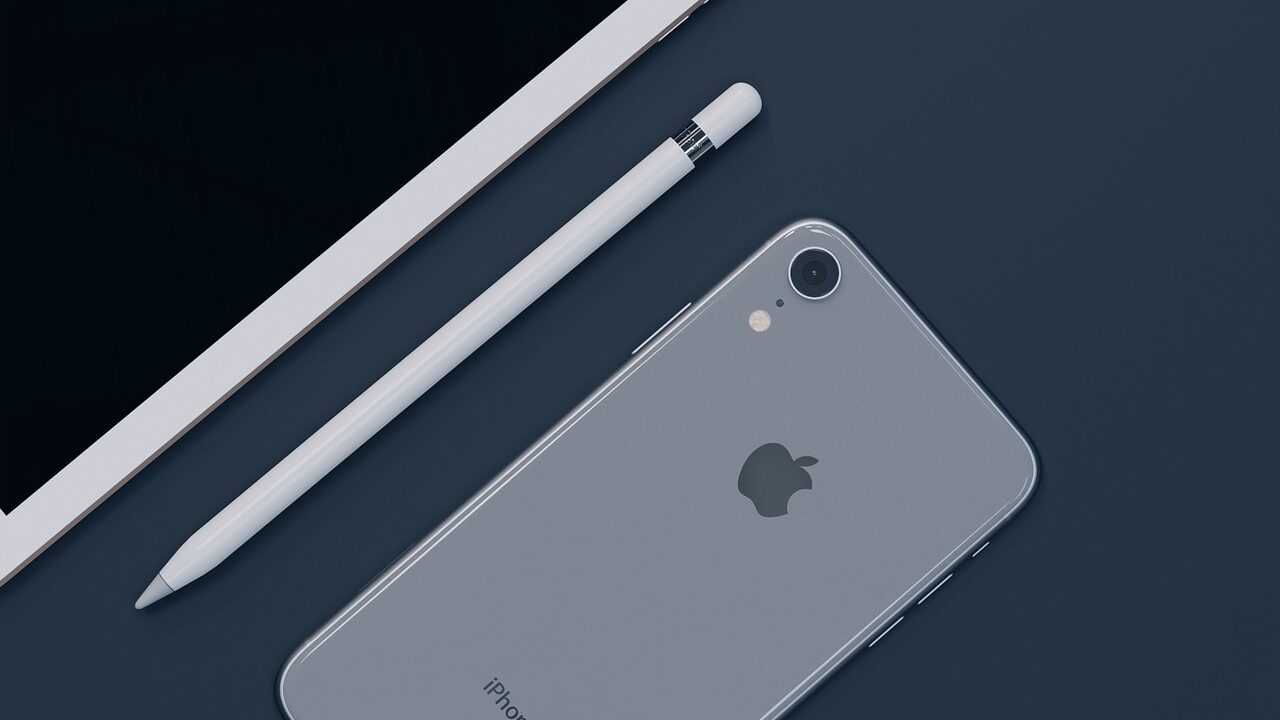
Apple might put cameras into its next AirPods, a move that could significantly influence the future of wearable technology, user privacy, and productivity ecosystems. As Apple continues to innovate within its ecosystem, integrating cameras into AirPods would mark a notable shift from their traditional role as audio-only devices to multifunctional tools capable of capturing visual data. This potential development raises questions about hardware capabilities, privacy concerns, and the implications for productivity and collaboration.
Understanding whether apple might put cameras into AirPods requires examining Apple’s historical approach to hardware innovation, current market trends, and the competitive landscape of wearable tech. Apple has historically been cautious yet innovative, balancing user privacy with technological advancement. If cameras are integrated, they could enhance features such as video conferencing, augmented reality (AR), and health monitoring, among others.
This article explores the potential reasons behind apple might put cameras into its next AirPods, the technical and privacy challenges involved, and how such a feature could impact productivity tools, team collaboration, and the broader tech ecosystem. It also considers possible trade-offs and alternative solutions, providing a comprehensive analysis based on current industry developments and expert insights.
Key Takeaways
Table of Contents
Introduction
Apple might put cameras into its next AirPods, a concept that has sparked widespread speculation among tech enthusiasts and industry analysts. The integration of cameras in wearable devices has been a topic of interest, especially as companies seek to create more seamless and multifunctional user experiences. While current AirPods models focus primarily on audio performance and voice-based interactions, the addition of a camera could expand their capabilities to include visual communication, augmented reality, and health monitoring.
This potential feature could align with Apple’s broader strategy of ecosystem integration, connecting the AirPods more deeply with iPhone, iPad, and Mac devices. Such a move could also influence the development of productivity apps and team collaboration tools, making remote work and virtual interactions more intuitive and immersive. However, it also raises important questions about user privacy, hardware design, and how the market will respond to this technological leap.
In the sections below, we’ll delve into the technical possibilities of integrating cameras into AirPods, explore the privacy considerations, assess the impact on productivity and collaboration, and analyze the market implications of such an upgrade. Drawing from current technological trends and expert opinions, this comprehensive review aims to provide a nuanced perspective on why apple might put cameras into its next AirPods and what that means for consumers and developers alike.
Technological Possibilities of Cameras in AirPods
Hardware Integration and Design Challenges
Incorporating cameras into AirPods presents significant hardware design challenges. The current form factor of AirPods emphasizes compactness and comfort, which limits the space available for additional components like cameras and sensors. Apple would need to innovate on miniaturization and possibly re-engineer the earbud case to accommodate a discreet, yet functional, camera module.
Possible solutions include integrating tiny, high-resolution cameras into the stem or the outer shell of the earbuds, similar to how some wireless earbuds incorporate touch sensors or LEDs. Advances in micro-electromechanical systems (MEMS) technology could make it feasible to embed cameras that are both small and energy-efficient. Power management would also be crucial to ensure that added features do not drain the battery excessively, preserving the device’s usability for hours.
The case design might also evolve to include additional hardware, such as miniaturized lenses, image sensors, and stabilizers, all while maintaining water resistance and durability standards expected of Apple devices. Ensuring seamless connectivity with Apple’s ecosystem would be critical, leveraging existing Bluetooth and Wi-Fi protocols to transmit visual data securely.
Potential Camera Features and Use Cases
If apple might put cameras into its next AirPods, we can expect several innovative features. One prominent use case is enhanced video calling, where AirPods could serve as discreet, always-on cameras for FaceTime or other video conferencing apps. By integrating with iOS’s existing camera APIs, users could enjoy hands-free, high-quality video communication directly from their earbuds.
Augmented reality applications represent another significant opportunity. Camera-equipped AirPods could overlay digital information onto the real world, facilitating immersive experiences during navigation, gaming, or productivity tasks. For instance, users could receive visual cues or annotations via compatible AR glasses or displays, with the earbuds capturing contextual visuals.
Health and fitness tracking could also benefit, with the cameras enabling visual assessments of posture, facial expressions, or other physical metrics. Although these features would require cooperation from dedicated apps, the hardware possibilities open doors for creative applications that blend visual data with existing sensors.
Technical Limitations and Future Prospects
Despite the exciting possibilities, technical limitations remain. Achieving high-quality video capture within such a small form factor requires advanced optics and image stabilization systems. Additionally, ensuring low latency and secure data transmission is essential, especially for real-time communication or AR experiences.
Battery life is another limiting factor; high-resolution cameras consume significant power, which could diminish the already modest endurance of wireless earbuds. Apple would need to innovate around energy-efficient components and possibly introduce new power management strategies to mitigate this issue.
Looking ahead, ongoing improvements in micro-camera technology, battery density, and wireless communication standards suggest that integrating cameras into AirPods or similar devices could become more feasible in future iterations. Apple’s focus on seamless hardware-software integration will likely shape the development of such features, emphasizing user privacy and experience quality.
Privacy and Security Challenges
User Privacy Concerns with Camera-Enabled Earbuds
One of the primary concerns related to apple might put cameras into its next AirPods involves user privacy. Incorporating cameras in earbuds that are worn close to the face and ears could inadvertently capture sensitive visual data, raising questions about consent, data storage, and potential misuse.
Apple has built a reputation for prioritizing user privacy, incorporating features like on-device processing and stringent app permissions. If cameras are added, the company would need to implement robust safeguards, such as indicator lights, physical shutters, or user notifications, to inform when cameras are active.
Additionally, transparency around data collection and storage practices would be critical. Users should have control over what is recorded, stored, or transmitted, with clear options to disable visual capture features entirely. Without these measures, the risk of privacy breaches could hinder adoption and damage trust.
Data Security and Encryption
Ensuring the security of visual data captured by earbuds is crucial. Apple already employs strong end-to-end encryption for iMessage and FaceTime communications; similar standards would need to be applied to camera feeds from AirPods. Data transmitted to paired devices should be encrypted during transit and stored securely if saved locally.
Content management policies would also need to be established to prevent unauthorized access or sharing of sensitive visual data. Developing secure hardware enclaves or dedicated security chips on the earbuds could help isolate visual information from potential malware or hacking attempts.
Legal and regulatory frameworks may also influence how Apple handles visual data. Different jurisdictions have varying requirements for biometric data collection and privacy, which could introduce compliance complexities for a global product. Apple’s approach will likely emphasize transparency, user control, and minimal data retention to align with privacy standards.
Balancing Functionality and Privacy
The integration of cameras into AirPods could offer substantial productivity benefits but must be weighed against potential privacy risks. Apple’s historical approach suggests that any new feature involving visual data will undergo rigorous privacy impact assessments.
Features like automatic visual activation based on contextual cues, user-controlled toggles, and clear indicators of camera activity could help balance functionality with privacy. Educating users about how their visual data is used and stored will be central to fostering trust and ensuring responsible deployment of camera-enabled earbuds.
Ultimately, the success of such a feature hinges on how well Apple can address these privacy concerns without compromising user experience. Transparency, security design, and user empowerment will be key pillars in this balance.
Impact on Productivity and Collaboration Tools
Enhancing Video Conferencing and Remote Work
Apple might put cameras into its next AirPods to significantly improve remote work and virtual collaboration. Wireless earbuds equipped with cameras could provide a more discreet, hands-free way to participate in video calls, especially in environments where using a smartphone or laptop camera is impractical or intrusive.
Integration with Apple’s native software, like FaceTime and iOS video conferencing APIs, could create a seamless experience. Users could initiate or join calls with just a tap or voice command, using the earbuds’ microphones and cameras to capture and transmit video from a natural, non-intrusive position.
This capability could also enhance multitasking, allowing users to stay connected visually and aurally without needing to hold or position a device. For professionals working in dynamic environments, camera-enabled AirPods could provide flexibility and efficiency while maintaining a high level of privacy and security.
Impact on Workflow Automation and App Ecosystem
The addition of cameras would influence the development of new productivity apps and workflows. Developers could create tools that leverage visual data from earbuds for tasks such as document scanning, facial recognition, or real-time contextual assistance.
Workflow automation platforms like Apple’s Shortcuts could incorporate camera triggers, enabling users to automate sequences that involve visual input. For example, scanning handwritten notes, capturing quick photos for record-keeping, or verifying identities in secure environments could become streamlined processes.
Furthermore, the rise of AI-powered applications could see earbuds with cameras used for sentiment analysis, facial expression recognition, or environmental awareness, supporting more intuitive and responsive workflows in collaborative settings. However, these applications must be developed with privacy considerations in mind to avoid potential misuse or data breaches.
Trade-offs and Practical Considerations
While the benefits of camera-equipped AirPods are compelling, practical trade-offs exist. Increased hardware complexity could lead to higher costs and potentially shorter battery life, affecting overall user satisfaction. Users would need to decide whether the productivity gains outweigh the possible compromises in device longevity and comfort.
Another consideration involves compatibility with existing apps and workflows. Developers will need to adapt or create new tools that harness camera capabilities, which could slow adoption initially. Simultaneously, device manufacturers and software providers will need to prioritize security and privacy to prevent misuse.
Ultimately, user preferences and the evolution of related hardware will shape how effectively camera-enabled earbuds integrate into everyday productivity routines. Clear user education and thoughtful design will be essential to maximize benefits while minimizing pitfalls.
Market Implications and Consumer Reception
Competitive Landscape and Market Differentiation
Introducing cameras into AirPods would position Apple as a pioneer in wearable audio devices, blending visual and auditory functionalities. It could set a new standard for wireless earbuds, differentiating Apple from competitors like Samsung, Sony, and Bose, who currently focus mainly on audio quality and noise cancellation.
Such a move could also influence the broader wearables market, encouraging other manufacturers to explore similar multi-sensor integrations. For Apple, this could translate into a competitive advantage by appealing to consumers seeking more versatile and intelligent devices that seamlessly integrate into their digital lives.
Moreover, a camera-capable AirPods could open new revenue streams through app ecosystem expansions, premium hardware tiers, and subscription-based services related to visual data processing and augmented reality applications.
Consumer Adoption and Market Challenges
Consumer reception will largely depend on perceptions of privacy, usability, and value. While tech enthusiasts may eagerly adopt such innovative features, mainstream users may remain cautious due to privacy concerns or unfamiliarity with new hardware capabilities.
The price point of camera-enabled AirPods could also influence adoption rates. If the new features significantly increase cost, Apple will need to justify the investment through clear benefits and integrated app support. Promotions and demonstrations highlighting practical use cases will be vital to convincing consumers of the added value.
Market challenges include ensuring compatibility with a broad range of apps and services and addressing regulatory considerations globally. Privacy laws and biometric data regulations could impact the deployment and capabilities of camera features, requiring careful compliance efforts from Apple.
External Ecosystem and Developer Support
Extended ecosystem support will be essential for widespread adoption. Apple’s developer community would need to create a suite of applications optimized for camera-equipped earbuds, spanning productivity, health, AR, and social communication sectors.
Platforms like Capterra can assist businesses and developers in evaluating tools for integrating new hardware features, offering insights into popular productivity apps, browser extensions, and team collaboration tools that could leverage camera data.
Providing comprehensive SDKs and developer resources will be necessary for Apple to foster innovation and ensure that third-party apps align with privacy standards and security protocols. An active developer ecosystem can accelerate the adoption of new functionalities, helping Apple cement its position as a leader in wearable tech innovation.
Conclusion
While there is no official confirmation that apple might put cameras into its next AirPods, the technological, market, and user trends suggest that such a development is plausible. Integrating cameras could unlock new dimensions of productivity, communication, and augmented reality experiences, transforming AirPods from simple audio devices into versatile, multimodal wearables.
However, privacy concerns, hardware challenges, and market readiness remain significant hurdles. Apple’s history of prioritizing user privacy and seamless hardware-software integration suggests that if cameras are introduced, they will be implemented with strong safeguards and user controls.
The impact of such a feature would ripple across the ecosystem, influencing productivity apps, team collaboration tools, and the competitive landscape. Developer support and consumer education will be vital in realizing the full potential of camera-enabled earbuds.
Ultimately, whether apple might put cameras into its next AirPods hinges on balancing innovation with responsibility, ensuring that new capabilities enhance user experience without compromising privacy or security. As technology evolves, such a product could well define the future of wearable tech, setting new standards for convenience, connectivity, and productivity.
Potential Frameworks for Camera Integration in Future AirPods
Integrating cameras into AirPods represents a complex engineering challenge that requires a strategic framework to optimize functionality, user experience, and manufacturing processes. One promising approach involves modular architecture, where miniature camera modules are embedded within the earbuds, connected via advanced flexible circuit boards. This modular design would facilitate easier assembly, repair, and future upgrades, aligning with Apple’s emphasis on longevity and sustainability.
Another framework considers leveraging computational photography combined with hardware miniaturization. In this setup, the embedded camera could utilize multi-frame processing, HDR, and night mode functionalities to enhance image quality despite size constraints. The integration would also necessitate sophisticated AI algorithms to manage image stabilization, noise reduction, and real-time processing, ensuring that the cameras provide high-quality outputs without excessive power consumption.
Furthermore, Apple might adopt a layered software-hardware integration framework that tightly couples the camera hardware with existing AirPods features such as Siri, gesture controls, and AR capabilities. This would enable seamless user interfaces, like voice-activated photo captures or gesture-triggered camera activation, enriching the user experience while maintaining product simplicity. Developing such a comprehensive framework would require cross-disciplinary collaboration between hardware engineers, software developers, and UX designers to deliver a cohesive and innovative product line.
Failure Modes and Challenges in Camera Integration into AirPods
The prospect of apple might put cameras into its next AirPods introduces several potential failure modes that could impact product reliability and user satisfaction. One primary concern is hardware failure due to miniaturization constraints. Embedding cameras within the limited space of earbuds increases the risk of component damage from mechanical stress, moisture ingress, or thermal overload.
Another significant challenge involves power management. Cameras are power-intensive devices, and integrating them into AirPods requires advanced power-efficient solutions to prevent rapid battery drain. Failure to effectively manage power could lead to shortened usage times, which would undermine user expectations and diminish product appeal.
Data security and privacy also pose critical failure points. Embedded cameras could inadvertently capture sensitive environments, raising concerns over unauthorized surveillance or data leaks. Ensuring that camera data is securely stored and transmitted is essential, and any lapses could result in privacy violations, leading to legal repercussions and reputational damage for Apple.
Additionally, software bugs and integration issues may cause system instability. For example, conflicts between camera functions and existing Bluetooth or audio streaming operations could lead to latency, crashes, or degraded audio quality. Overcoming these challenges requires rigorous testing, fail-safe fallback mechanisms, and iterative hardware-software optimization.
To mitigate these risks, Apple could implement multiple failsafe systems, such as automatic disabling of cameras under certain conditions (e.g., when in public spaces or low-light environments), encryption protocols for data, and redundancy measures in hardware design. Proactive monitoring and user-controlled privacy settings would also be vital in maintaining consumer trust and product reliability.
Optimization Tactics for Enhancing Camera Performance in AirPods
To maximize the benefits of apple might put cameras into its next AirPods, optimization tactics must focus on balancing hardware capabilities with energy efficiency and user-centric features. One key strategy involves employing low-power, high-performance image sensors developed specifically for confined spaces. These sensors can deliver acceptable image quality while minimizing power consumption.
In addition, implementing adaptive image processing algorithms can significantly boost camera performance. For instance, real-time scene analysis can dynamically adjust exposure, focus, and stabilization parameters, delivering clearer images under various lighting conditions. AI-driven enhancement techniques, such as super-resolution and noise suppression, further improve output quality without necessitating larger sensors or increased power draw.
Hardware optimization can be achieved by integrating custom system-on-chip (SoC) solutions tailored for combined audio and visual processing. Such chips could efficiently handle multiple tasks, from image capture to AI processing, reducing latency and conserving energy. In parallel, optimizing antenna placement and wireless data transmission protocols—like Bluetooth 5.2 or newer standards—can facilitate faster, more secure data transfer of images and videos captured by the cameras.
From a user experience standpoint, optimizing the interface for quick access and control of the camera functions is critical. Gesture-based controls, voice commands, and contextual activation based on environmental sensors can create intuitive user interactions. For example, when an AI detects a specific gesture, the camera could automatically activate, or it could be triggered by a simple voice command like “Take a photo.”
Lastly, regular firmware updates and machine learning model improvements are essential to maintain and enhance camera performance over time. Continuous feedback loops, user analytics, and rigorous A/B testing would allow Apple to refine the camera functionalities, address bugs proactively, and adapt to evolving user needs and privacy standards.







Best casino experience I’ve had in a while. The variety of games is insane and the customer support is very responsive. Definitely visit kr500casino for a great time.
The best platform I have used in the Philippines so far. The customer support is very responsive and the payouts are fast. Big thumbs up for phkubraplus!
Today, I went to the beachfront with my kids. I found a sea shell and gave it to my 4 year old daughter and said “You can hear the ocean if you put this to your ear.” She placed the shell to her ear and screamed. There was a hermit crab inside and it pinched her ear. She never wants to go back! LoL I know this is entirely off topic but I had to tell someone!
Fast transactions and a very secure feeling. It is hard to find sites this trustworthy these days. pkbitpkr is a total gem.
I love how easy it is to track my progress here. The login process is secure and fast. paitoangkalogin is definitely my go-to now.