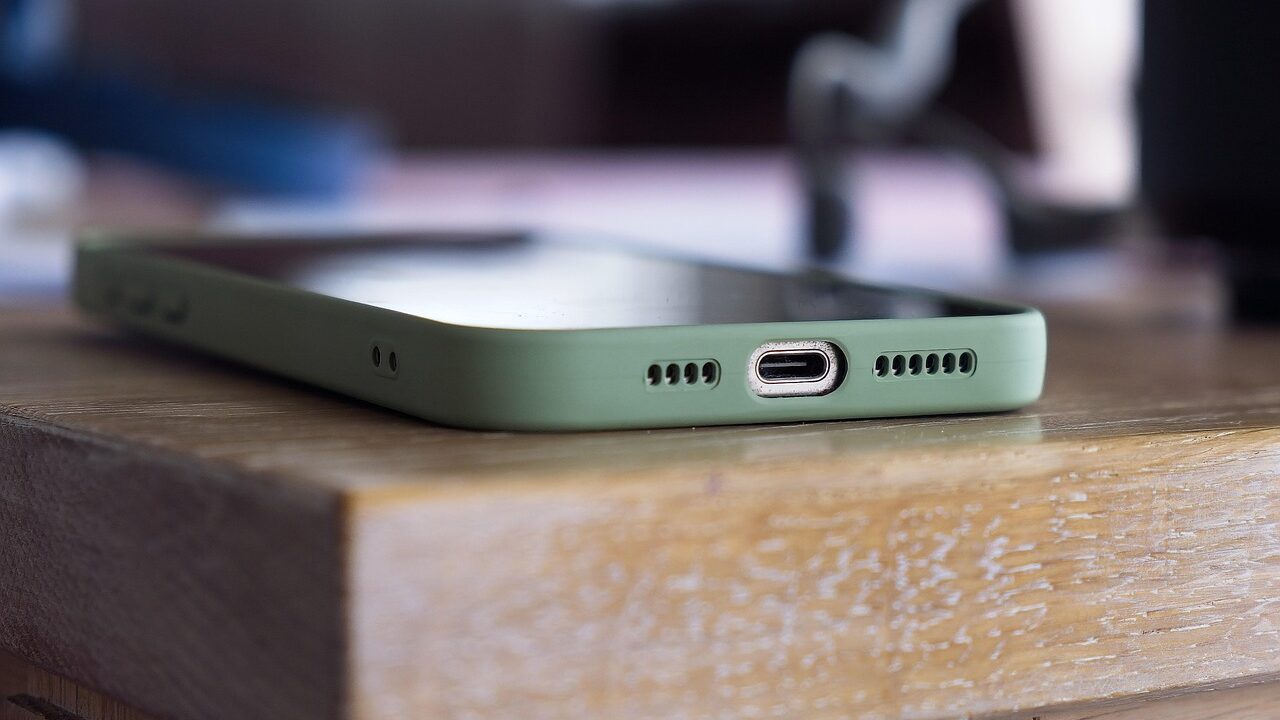
Apple making your older iPhone run faster and stay alive longer has become a notable trend as Apple implements software updates and hardware optimizations to extend device lifespan, reduce obsolescence, and improve user experience. This comprehensive review explores the mechanisms behind these improvements, their practical impact, and how users can leverage new features to optimize their aging devices.
Key Takeaways
Table of Contents
Software Optimization Strategies for Older iPhones
IOS Updates Tailored for Performance
Apple’s ongoing iOS updates are central to making your older iPhone run faster and stay alive longer. Unlike major updates that primarily introduce new features, incremental releases often include performance improvements specifically designed for older hardware. These include bug fixes, security patches, and system refinements that reduce lag, improve responsiveness, and optimize battery life.
For example, recent iOS versions have incorporated algorithms that better manage background activities, leading to less CPU strain and faster app launch times on older devices. Apple’s focus on software efficiency means that even devices that are several generations old can benefit from smoother operation after updating, provided the device supports the latest iOS version.
It’s crucial to balance between updating and compatibility. Users with older devices should verify whether their device supports the latest iOS to avoid performance degradation or potential instability. Apple typically provides detailed support pages indicating which models are compatible, helping users decide whether to upgrade their OS or consider hardware upgrades.
Background Process Management and Battery Optimization
Another vital aspect of making your older iPhone run faster involves managing background processes. Apple has implemented intelligent system controls that limit unnecessary background activities, thereby conserving resources and enhancing responsiveness. Features like App Sleep Mode minimize background app refreshes, reducing CPU load and preventing sluggishness.
Battery health directly impacts device performance. As batteries age, their capacity diminishes, causing the device to throttle performance to prevent unexpected shutdowns. Apple introduced features such as Battery Health Monitoring, which informs users when their battery needs service. Replacing an aging battery can significantly restore speed and responsiveness, extending the device’s usefulness.
Users should also enable low power modes during intensive tasks or when battery is low. This setting curtails background activity further, making older iPhones feel quicker in daily use. Combining software updates with proactive battery management offers a practical way to keep older devices performing optimally.
Performance Monitoring and Troubleshooting
Monitoring device performance helps identify bottlenecks that slow down older iPhones. Built-in tools like the Battery Usage feature show which apps consume the most resources, guiding users in managing app activity more effectively. Additionally, Apple’s Diagnostics tool can help detect hardware issues, such as memory or storage problems, that hinder performance.
Users should routinely clear cache data, uninstall unused apps, and disable unnecessary notifications, all of which can free up memory and processing power. If an older iPhone experiences persistent slowdowns, restoring the device to factory settings and reinstalling only essential apps may resolve underlying software conflicts.
Third-party diagnostic apps can provide more detailed insights, helping users make informed decisions about repairs or upgrades. Regular maintenance and keen performance monitoring are essential in maximizing the lifespan and functionality of older iPhones.
Hardware and Software Integration in Apple Devices
Custom Silicon and Software Synergy
Apple’s design philosophy emphasizes tight integration between hardware and software, a strategy that benefits older devices by ensuring efficient resource utilization. For instance, Apple’s custom silicon, such as the A-series chips, is optimized to work seamlessly with iOS, delivering better performance even on older models compared to comparable Android devices.
This integration means that even as hardware ages, software updates can be fine-tuned to leverage the device’s existing capabilities, resulting in smoother operation and extended usability. Apple’s commitment to maintaining support for older devices through software updates exemplifies this synergy, allowing users to get more value out of their devices over time.
However, hardware limitations still impose constraints. While software improvements can alleviate some issues, they cannot fully compensate for aging components like batteries, screens, or memory modules. Recognizing these limits helps users set realistic expectations and plan appropriate upgrades.
Hardware Improvements and Upgrades
For users willing to invest, hardware enhancements such as replacing batteries, upgrading storage, or repairing screens can significantly improve performance and longevity. Apple offers official battery replacement programs, which, in many cases, is a cost-effective way to restore speed and battery life without purchasing a new device.
Third-party repair services also provide options for upgrading or repairing aging hardware components, often at lower costs. These upgrades can reduce the performance gap caused by wear and tear, making older iPhones more responsive and energy-efficient.
It is important for users to weigh the costs and benefits of hardware upgrades versus purchasing a new device. In many cases, combining hardware repairs with the latest software optimizations offers the best compromise between cost and performance for older iPhones.
Future-Proofing Through Ecosystem Integration
Apple’s ecosystem offers advantages for maintaining older devices. Features like Continuity, Handoff, and Universal Clipboard work across devices, enabling a seamless workflow even on aging hardware. This ecosystem integration allows users to extend productivity by leveraging newer hardware or cloud services without sacrificing their older devices’ functionality.
Cloud-based services, such as iCloud, facilitate synchronization and backup, reducing data management burdens and helping preserve device performance. Using compatible accessories and peripherals also enhances workflow automation and device longevity.
Staying within the Apple ecosystem offers a strategic way to maximize the potential of older devices, provided the hardware still supports new features and updates.
Best Productivity Apps and Workflow Automation
Top Productivity Apps for Older iPhones
The landscape of productivity apps continues to evolve, with many designed to operate smoothly even on older hardware. Essential tools include calendar apps, note-taking software, and document editors optimized for performance. Many of these apps incorporate features that reduce CPU and memory load, ensuring a responsive experience.
Popular productivity apps such as Microsoft Outlook, Todoist, and Notion remain compatible with older devices, offering robust features without requiring the latest hardware. Additionally, lightweight versions of larger apps can be helpful for maintaining responsiveness on aging iPhones.
Availability of such apps on the App Store is crucial, and users should check compatibility and update history to ensure smooth operation. Choosing the best productivity apps involves balancing features with resource demands, often favoring those optimized for lower-end hardware.
Workflow Automation: Streamlining Tasks
Automation tools like Apple’s Shortcuts app provide users with the ability to streamline repetitive tasks, improving efficiency on older iPhones. Creating custom shortcuts can automate actions such as sending routine messages, managing calendar events, or opening multiple apps in sequence.
Many third-party apps integrate with Shortcuts, expanding automation capabilities. With proper setup, users can significantly reduce manual effort, making their older devices more effective and less prone to sluggishness caused by manual multi-step processes.
Workspace automation is also supported through services like IFTTT, which connects various apps and devices, enabling cross-platform workflows that enhance productivity without taxing hardware. These tools are especially valuable for users who rely heavily on multitasking across multiple applications.
Decision Criteria for App Selection
When selecting productivity apps for older iPhones, users should consider compatibility, resource consumption, and feature set. Lightweight apps that offer essential functions without excessive background activity tend to perform better on aging hardware.
Reviews and update histories can provide insights into app stability on older devices. Developer support and community feedback are also indicators of long-term app viability. Prioritizing apps that are regularly maintained and optimized for performance can lead to a smoother user experience.
Finally, integrating apps with workflow automation tools enhances overall productivity, making older devices feel more responsive and capable of managing complex tasks efficiently.
Tool Integrations and Browser Extensions for Enhancing Older Devices
Browser Extensions to Boost Productivity
Browser extensions are essential for extending functionality and improving efficiency when using older iPhones. Safari, Apple’s default browser, supports extensions that enable ad-blocking, password management, note-taking, and quick access to productivity tools.
Extensions such as 1Password, Evernote Web Clipper, and Pocket can optimize browsing and content management, reducing load times and streamlining workflows. These extensions often work with minimal resource overhead, making them suitable for older devices.
It’s important to select extensions with a reputation for stability and ongoing support. Browser extensions can serve as practical tools to offset hardware limitations by enabling faster access to information and simplifying navigation workflows.
Tool Integration for Seamless Workflow
Integrating various productivity tools can significantly enhance the efficiency of older iPhones. Apps that support native integrations—such as Slack, Trello, and Asana—allow users to manage tasks and communication centrally.
Utilizing automation services like Zapier or IFTTT, users can connect different apps and services, creating automated workflows that save time. For example, automatically saving email attachments to cloud storage or updating project boards based on notifications.
Effective tool integrations reduce redundant steps, minimize manual data entry, and keep workflows synchronized across platforms. This approach is especially valuable for professionals relying on older hardware with limited processing power, as it minimizes unnecessary device strain.
External Resources and Support
External support sites such as PCMag offer extensive reviews and comparisons of productivity tools, browser extensions, and automation services. Consulting these sources can help users identify the most efficient and resource-friendly options compatible with their older iPhones.
Additionally, community forums and official app support channels provide troubleshooting assistance and best practices for maintaining optimal performance. Staying informed about updates, vulnerabilities, and compatibility issues ensures that users can make the most of their devices.
Ultimately, strategic tool integration and leveraging external resources enable users to maximize their older devices’ productivity and lifespan.
Maximizing Your Older iPhone’s Performance and Longevity
Best Practices for Device Maintenance
Regular maintenance is critical for making your older iPhone run faster and stay alive longer. This includes keeping software up to date, managing storage, and optimizing battery health. Users should routinely delete unused apps, clear cache files, and disable unnecessary notifications to free up system resources.
Replacing aging batteries can dramatically improve device responsiveness and battery life. Apple’s official battery replacement program is designed to restore performance at a reasonable cost, often extending device usability for several more years.
Safe handling and proper storage also contribute to longevity. Avoiding extreme temperatures, using protective cases, and handling devices carefully reduce hardware wear and tear, maintaining overall performance.
Effective Usage Strategies
Adapting usage habits can greatly influence performance. Enabling low power mode during intensive tasks conserves battery and reduces background activity, which is especially helpful on aging hardware. Limiting background app refresh and disabling auto-downloads further preserve system resources.
Using optimized settings—such as reducing screen brightness, turning off location services when not needed, and minimizing motion effects—can also help older iPhones operate more smoothly.
Practicing mindful app management by closing unused apps and avoiding multitasking overload reduces CPU strain, leading to better responsiveness and longer device lifespan.
Insights from Software Comparison and User Feedback
Conducting software comparisons allows users to understand how different updates or alternative OS versions impact performance on older hardware. Some users prefer sticking with stable, older versions of iOS if newer updates cause slowdowns, which can be supported by community feedback and technical reviews.
Engaging with user communities provides insights into common issues and effective fixes, such as custom configurations or third-party tools that boost performance. Real-world user experiences highlight practical strategies for keeping older iPhones running efficiently.
Informed decision-making, based on thorough software comparison and community insights, can help prolong the effective lifespan of older devices while maintaining productivity levels.
Conclusion: Strategic Maintenance for Longer Device Lifespan
Apple making your older devices run faster and stay alive longer reflects a holistic approach that combines continuous software optimization, hardware maintenance, and ecosystem integration. While hardware limitations remain, strategic use of updates, maintenance practices, and productivity tools can significantly extend the usefulness of aging iPhones.
Users should remain vigilant about battery health, software updates, and app choices to maximize device performance. Combining these strategies with an understanding of tool integrations and automation options empowers users to sustain their devices effectively.
In the evolving landscape of mobile computing, maintaining older devices requires proactive management and informed decisions. By leveraging Apple’s ecosystem and third-party solutions, users can enjoy a productive, efficient experience on their older iPhones for years to come.
Advanced Frameworks for Optimizing Older iPhone Performance
To truly understand how apple making your older iPhone run faster and stay alive longer, it’s essential to delve into the sophisticated frameworks and algorithms that underpin these improvements. Apple employs a combination of machine learning models, resource allocation strategies, and system-level optimizations to enhance performance without compromising battery life. One such framework is the Neural Engine Optimization System, which leverages on-device AI to intelligently manage CPU and GPU load based on user activity patterns, reducing unnecessary background processing during low-demand periods.
Additionally, Apple’s Power Management Framework (PMF) dynamically adjusts system voltages and clock speeds, utilizing predictive analytics to anticipate workload spikes and preemptively allocate resources. This proactive approach minimizes latency and stutter, especially during prolonged usage sessions on older devices. The system also integrates with hardware components like the accelerometer and ambient light sensor to further fine-tune performance based on real-world environmental cues.
Common Failure Modes and How Apple Addresses Them
Despite these advancements, certain failure modes can still affect older iPhones, such as thermal throttling, memory leaks, and battery degradation leading to unexpected shutdowns. Thermal throttling occurs when the device overheats, causing the CPU and GPU to reduce their performance to prevent damage. Apple mitigates this through intelligent thermal management algorithms that monitor temperature sensors in real time. When overheating is detected, the system reduces processor speeds and dims the display to cool down the device gradually, thereby preventing sudden shutdowns and extending lifespan.
Memory leaks, which drain resources and cause sluggishness, are addressed through continuous background diagnostics and automatic cache clearing. Apple’s Memory Compression technology consolidates unused data, freeing up RAM without compromising ongoing tasks. This process is fine-tuned to avoid frequent swapping that can slow down older hardware. Furthermore, when it detects persistent leaks, the system can trigger a soft reset of certain processes to restore stability.
Battery health degradation presents one of the most significant challenges in maintaining older devices. Apple counters this with a combination of hardware sensors and software algorithms to monitor battery capacity and cycle count. When battery efficiency drops below a threshold, the system automatically limits performance spikes, smoothing out usage to prevent sudden shutdowns during critical tasks. This is complemented by the Battery Health Management feature, which intelligently schedules charging and discharges to maximize battery longevity.
Optimization Tactics for Extended Lifespan and Performance
Beyond systemic updates, users can implement specific tactics to prolong the usability of their older iPhones. One effective approach involves managing background activity and app refreshes. Disabling unnecessary background app refreshes reduces processor load and conserves battery life. In Settings > General > Background App Refresh, users can select individual apps to restrict their activity, minimizing unwanted resource consumption.
Another tactic is optimizing storage and removing redundant data that can clog system caches, ensuring smooth operation. Regularly clearing Safari caches, app data, and deleting unused media files can significantly improve responsiveness. Apple’s Optimized Storage feature, found in Settings > General > iPhone Storage, can automate this process by offloading seldom-used apps and storing photos in iCloud, freeing local resources.
Adjusting display settings also offers tangible benefits. Reducing screen brightness, enabling auto-brightness, and activating True Tone mode help lower power demand. Additionally, enabling Dark Mode reduces the energy consumption on OLED displays, which is especially beneficial for older iPhones with such screens.
Implementing Custom Tuning and User-Centric Adjustments
Advanced users interested in squeezing every bit of performance from their older devices can explore custom tuning options through jailbreaking or specialized software tools. While these methods carry risks and may void warranties, they allow fine-grained control over system parameters such as CPU governor settings, thermal limits, and battery management thresholds.
For instance, tweaking CPU governor settings can prioritize performance or energy efficiency based on user needs. Setting the governor to ‘ondemand’ can balance power and speed, while ‘powersave’ prolongs battery but reduces responsiveness. Similarly, custom scripts can be employed to disable or reconfigure system services and animations that consume resources unnecessarily.
Failure modes in such modifications may include system instability, overheating, or even data loss if not executed carefully. Therefore, it’s vital to follow comprehensive guides, utilize reputable tools, and maintain regular backups. Apple making your older device more performant through such methods requires a deep understanding of system internals and hardware limits, emphasizing the importance of cautious experimentation.
Future Directions and Potential Enhancements
Looking ahead, Apple is likely to continue refining the balance between performance and longevity through software updates and hardware innovations. Features like Proactive Performance Management, which could employ real-time data analytics to predict user behavior and adjust system parameters dynamically, are on the horizon. Additionally, advancements in battery technology, such as solid-state alternatives, could dramatically reduce degradation issues affecting older devices.
Moreover, the integration of more sophisticated AI models capable of self-optimizing based on individual user patterns might make older iPhones feel as responsive as newer models for years to come. Apple’s ongoing commitment to software support and incremental hardware improvements suggests that, through thoughtful system management and user engagement, maintaining an older iPhone’s performance and lifespan will continue to improve significantly.




Super happy with the rewards program here. It really keeps things exciting and gives you more value for your time. phbet100com is the real deal.