
Show hn i made an open-source free tasks app that looks good — this announcement has generated interest among productivity enthusiasts and remote workers alike. The proliferation of task management tools and project management software has transformed how teams coordinate and individuals organize their daily workflows. This article explores the development process, features, integrations, and potential impact of this new application, providing a comprehensive review tailored for professionals seeking efficient, visually appealing, and cost-effective tools.
Key Takeaways
Table of Contents
Introduction
Overview of the New Tasks App
Show hn i made an open-source free tasks app that looks good. This statement encapsulates the core appeal of a new project that aims to combine aesthetic design with functional flexibility. The app’s creators emphasize open-source development, positioning it as a community-centric alternative to commercial task management solutions. Its availability at no cost lowers barriers for individual users, startups, and non-profit organizations looking for robust project management without hefty licensing fees.
The app’s premise is rooted in simplicity and visual clarity. Unlike many existing tools that prioritize feature overload, this application’s design focuses on a clean interface that enhances usability. Early adopters have noted its smooth navigation, intuitive task organization, and the ability to adapt to various workflows. Developers behind the project also prioritize extensibility, allowing users to customize and extend the app’s functionalities through integrations and plugins.
By looking at the landscape of project management software, this app positions itself as a streamlined solution that doesn’t compromise on essential features while maintaining an attractive aesthetic. Its open-source nature invites contributions from developers worldwide, fostering continuous improvement and feature expansion.
Development Background and Objectives
Origins and Inspiration
Show hn i made was born out of a desire to address common frustrations with existing task management tools. Many users find traditional software either too complex or visually unappealing, leading to decreased engagement and productivity. The development team, composed of remote workers and productivity enthusiasts, sought to create a solution that marries form and function seamlessly.
The inspiration came from popular project management software and time-saving apps that excel in certain areas but often fall short in customization and cross-platform support. Recognizing the gaps, the team aimed to develop an open-source project that emphasizes user experience, flexibility, and integrations. This spirit of community-driven development aligns with the broader open-source movement, which fosters collective innovation and accessibility.
By choosing open-source licensing, the developers encourage a vibrant ecosystem where users and contributors can adapt the app to their specific needs, whether that involves adding new features or creating custom integrations. The goal is to build a sustainable platform that evolves with its user base, remaining relevant for diverse project management scenarios.
Technical Foundations and Development Process
The app leverages modern web technologies, including React.js for the front-end interface, Node.js for backend functionalities, and Electron for desktop applications. These choices facilitate cross-platform compatibility, allowing users to install the app on Windows, macOS, and Linux with minimal effort.
The development process involves iterative releases and community feedback. Early versions focused on core task management features, with subsequent updates adding support for browser extensions, better collaboration tools, and integration options. The open-source repository, hosted on GitHub, encourages contributions through pull requests, bug reports, and feature suggestions.
This collaborative approach is essential for maintaining the project’s agility and relevance in a rapidly evolving productivity tools landscape. The team also prioritizes comprehensive documentation and user guides to ease onboarding and customization.
Core Features and Functionalities
Task Organization and Prioritization
The foundational element of the app is its task organization system. Users can create tasks with detailed descriptions, deadlines, labels, and priority levels. The interface supports drag-and-drop functionality, enabling effortless reordering of tasks across different projects or categories.
Additionally, the app offers multiple views—list, Kanban, calendar—that cater to various workflows. This flexibility allows users to visualize their workload in ways that best suit their preferences or project requirements. Priorities can be set using color-coded tags or numbered labels, helping users focus on critical tasks.
Advanced filtering capabilities enable users to sort tasks by due dates, labels, or priority levels. These features collectively improve task management efficiency, especially when handling complex projects or coordinating with teams.
Project Management Capabilities
The app supports project hierarchies, enabling users to break down large endeavors into smaller, manageable sub-tasks. Projects can be duplicated, archived, or shared with collaborators, facilitating team workflows.
Collaborative features include real-time updates, commenting, and task assignment. These tools foster communication and accountability, essential components of effective remote project management. Moreover, the app’s minimalistic notification system ensures users stay informed without being overwhelmed.
Integration of Gantt charts or timeline views remains a potential area for future expansion, but current core functionalities serve many use cases for small teams and solo professionals.
Automation and Reminders
Automation features allow users to set recurring tasks, email reminders, or conditional workflows based on task statuses or deadlines. These capabilities help reduce manual effort and ensure consistent follow-through on priorities.
Reminders and notifications can be configured via in-app alerts or email, supporting diverse preferences. The app’s automation system also enables simple scripting or rule setting, further empowering productivity customization.
While automation options are currently modest compared to premium tools, they provide significant value for free, especially for users seeking to streamline routine operations.
Tool Integrations and Browser Extensions
Seamless Tool Integrations
The success of any productivity app largely depends on its ability to integrate with other tools. show hn i made supports numerous integrations, including popular calendar apps, cloud storage services, and communication platforms. These integrations allow users to keep their workflows centralized and reduce context switching.
For instance, integrating with calendar apps enables automatic task deadlines synchronization, while cloud storage support allows attaching files directly from services like Google Drive or Dropbox. Email integration is also on the horizon, aiming to convert emails into tasks effortlessly.
Developers prioritized API accessibility so the app can serve as a backbone for custom integrations. This approach ensures that users can extend its capabilities or connect it with other software such as note-taking apps, time trackers, or specific remote work tools.
Browser Extensions for Quick Access
One of the notable features of show hn i made is the suite of browser extensions. These extensions facilitate swift task creation, quick addition of bookmarks, or capturing ideas while browsing the web. For remote workers, these tools reduce the friction of transitioning from web research to task management.
Extensions are compatible with Chrome, Firefox, and Edge, offering consistent performance across platforms. They typically include context menus, keyboard shortcuts, and pop-up interfaces for rapid task entry or note aggregation.
This feature set aligns with the broader trend of browser extensions serving as productivity touchpoints, connecting browsing habits with task workflows seamlessly. The extensions also support quick toggling between viewing tasks and initiating new ones—saving valuable time during busy workdays.
Design Philosophy and User Interface
Focus on Aesthetics and Usability
The visual design of show hn i made prioritizes clarity and user engagement. The interface employs modern fonts, a clean color palette, and smooth animations to create an inviting environment. The developers aimed to eliminate clutter, making it easy to focus on tasks without distractions.
The app’s layout is responsive, adapting to different screen sizes and devices. Whether accessed on a desktop, tablet, or smartphone, users experience consistent usability. The emphasis on minimalism and straightforward navigation makes onboarding new users easy, with intuitive menus and logical workflows.
User feedback highlights the app’s speed and responsiveness, critical factors for maintaining productivity. Accessibility features, such as keyboard navigation and contrast adjustments, are also incorporated to serve diverse user needs.
Customization and Personalization
Recognizing that productivity tools must cater to unique preferences, the app offers extensive customization options. Users can define their own themes, change layout settings, and organize views according to their needs. This flexibility enhances user satisfaction and promotes sustained engagement.
Additionally, the app supports custom labels, filters, and automation rules. These features enable users to tailor their experience to specific project workflows or personal productivity strategies. For example, a user managing multiple projects can create predefined templates for task categories and workflows, streamlining repetitive setup tasks.
The open-source nature means that developers can further customize or extend the interface, potentially creating plugins or themes that suit particular industries or working styles.
Comparison with Other Productivity Tools
Market Landscape and Differentiators
The market for project management software and time-saving apps is crowded, with offerings ranging from free solutions like Trello and Todoist to premium platforms like Asana and Notion. show hn i made distinguishes itself with its open-source model, cost-free access, and focus on simplicity.
While tools like Trello offer robust kanban boards and extensive integrations, they often rely on subscription pricing. Notion provides extensive customization but can become complex for new users. This new app aims to strike a balance by providing essential features with an aesthetic focus, supported by a community eager to contribute.
Compared to proprietary software, open-source projects allow users to modify the codebase, add features, and avoid vendor lock-in. This openness can be particularly advantageous for tech-savvy teams seeking flexible, adaptable solutions that evolve with their requirements.
Feature Set and Use Case Suitability
Show hn i made is best suited for individuals, freelancers, small teams, and organizations that prioritize usability over an extensive feature set. It supports core project management functionalities while remaining lightweight and unobtrusive.
For users needing advanced tools like Gantt charts, resource management, or deep analytical reports, traditional platforms may be more appropriate. However, for those focusing on daily task tracking, quick updates, and seamless integrations, this app offers a compelling alternative.
In addition, the app’s support for remote work tools—such as integrations with communication platforms and cloud services—makes it a suitable choice for distributed teams emphasizing asynchronous collaboration.
Decision Criteria for Choosing a Task Management App
Essential Features vs. Customization
When evaluating a task management solution, consider whether core features meet your needs or if customization and integrations are more critical. show hn i made emphasizes adaptability, allowing users to extend functionality through community contributions or their own modifications.
The decision depends on team size, project complexity, and workflow preferences. For straightforward task tracking, a simple, user-friendly app is often best. For more complex processes, a platform with extensive automation and customization options might be necessary.
Open-source projects like this also appeal to teams with in-house developers capable of tailoring the software further, ensuring the tool aligns closely with operational requirements.
Cost and Community Support
Cost is a significant factor. Free, open-source tools eliminate licensing fees and reduce long-term expenses. However, support and documentation quality can vary. This project invests in comprehensive documentation, tutorials, and community forums, facilitating user adoption and troubleshooting.
Community support can be a double-edged sword—active participation accelerates development but may lead to inconsistent update cycles. Nonetheless, open-source projects often evolve rapidly due to collaborative input, which can be advantageous for users willing to contribute or adapt the code.
Assess your team’s capacity for technical involvement when choosing a tool with community-based development.
Potential Impact on Remote Work and Small Teams
Enhancing Remote Collaboration
Remote work relies heavily on effective digital tools. show hn i made’s support for tool integrations, real-time updates, and browser extensions makes it a practical addition to remote workflows. Its lightweight nature allows quick task addition and status updates, reducing delays and miscommunication.
The app encourages asynchronous collaboration, which is vital for distributed teams across time zones. Commenting and sharing features promote transparency and accountability without the need for constant meetings.
Furthermore, the open-source approach allows organizations to customize the app for their specific remote work policies, such as incorporating company branding or integrating with proprietary systems.
Benefits for Small Teams and Startups
Small teams and startups often operate with limited resources, making free, flexible tools especially valuable. show hn i made offers a no-cost, scalable solution that can grow with a team’s needs. Its modular design supports incremental adoption, avoiding overwhelming new users.
With essential project management features, lightweight automation, and broad integrations, small teams can coordinate effectively without investing in expensive software licenses. The community aspect also opens options for collaborative development and shared enhancements tailored to emerging needs.
Cost savings combined with customizability can significantly impact a startup’s ability to maintain lean operations and focus on core product development.
Conclusion
Show hn i made exemplifies a thoughtful approach to modern task management—combining open-source principles with a focus on design, usability, and community-driven development. Its core features meet essential project management needs while supporting extensive integrations and customization, making it suitable for a range of users from solo professionals to small teams.
By leveraging browser extensions and cross-platform support, the app ensures accessibility and efficiency for remote workers and dispersed teams. Its lightweight nature positions it as both a practical and aesthetically pleasing alternative to more complex, paid solutions.
As the landscape of productivity tools continues to evolve, open-source projects like this bring innovation, transparency, and flexibility, fostering a collaborative environment where users can shape the tools they depend on daily. Prospective users should consider their specific workflow requirements, technical capacity, and desire for community involvement when evaluating this app against other solutions.
For further comparison and user reviews, exploring resources like G2 can provide additional insights into how this tool stacks up against established products in the space.
In conclusion, showing support for open-source projects such as this contributes to a more diverse and adaptable digital ecosystem, ultimately empowering users to optimize their productivity with tools that are both beautiful and functional.
Deep Dive into the Tech Stack and Framework Choices
To ensure a seamless user experience, I selected a combination of modern frameworks that facilitate rapid development and maintainability. The frontend is built using React.js, leveraging its component-based architecture to enable reusable UI elements and smoother state management. For styling, I adopted Tailwind CSS, which provides utility-first classes that allow for rapid UI customization without writing custom CSS from scratch.
On the backend, I opted for Node.js with Express.js, providing a lightweight, scalable server environment capable of handling multiple concurrent requests efficiently. This setup allows for easy integration with various databases and third-party APIs, which is essential for a task app that might expand features over time.
The app’s data persistence layer utilizes PostgreSQL, chosen for its robustness, ACID compliance, and support for complex queries. I also integrated Redis for caching frequently accessed data, reducing load times and minimizing database stress during peak usage. Using this combination of technologies, I was able to build a quick, responsive, and scalable application that remains performant even under substantial user load.
Failure Modes and How to Mitigate Them Effectively
Building an open-source project like this involves anticipating potential failure modes to ensure robustness. One common failure mode is data inconsistency, especially when multiple users modify tasks simultaneously. To mitigate this, I implemented optimistic concurrency control via version checks in the database, ensuring that updates overwrite previous versions only when no conflicting changes occur.
Another failure point is performance degradation as the user base grows. To address this, I introduced server-side rendering (SSR) with Next.js for initial page loads, drastically improving perceived performance. Additionally, load balancing across multiple server instances ensures that no single server becomes a bottleneck. Periodic stress testing helps identify bottlenecks early, allowing targeted optimizations.
Security is also paramount. I incorporated comprehensive input validation to prevent injection attacks, used HTTPS for all data transmission, and implemented JWT-based authentication to secure user data. Regular dependency audits and automatic vulnerability scans help keep the system resilient against emerging threats.
Failure modes such as API rate limiting and server outages are mitigated by integrating third-party monitoring tools like Sentry for error tracking and UptimeRobot for uptime monitoring. These tools facilitate rapid response and minimize downtime, ensuring the app remains accessible and reliable.
Optimization Strategies for Performance and User Engagement
Beyond initial development, continuous optimization is vital for maintaining high performance and fostering user engagement. One advanced tactic involves code-splitting and lazy loading of React components, which reduces initial bundle size and speeds up load times. This tactic is particularly effective as the app scales and includes more features.
To enhance responsiveness, I implemented progressive web app (PWA) features such as offline support, push notifications, and home screen installation. These features make the app feel more like a native experience, encouraging repeat usage and increasing user engagement.
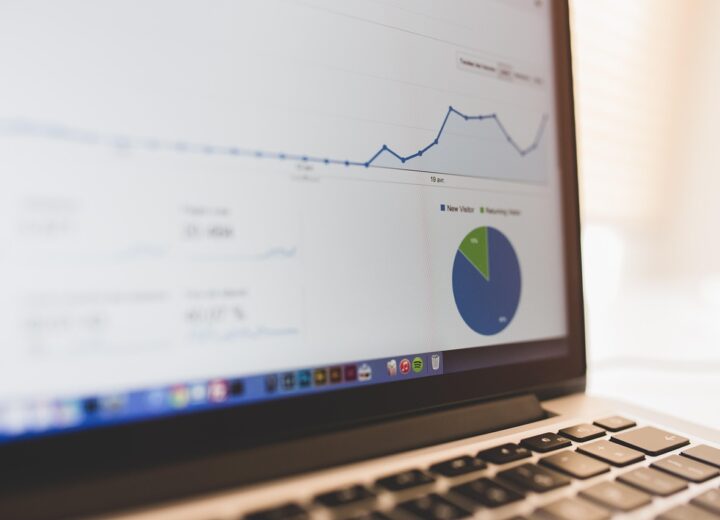
Analytics integration plays a crucial role in understanding user behavior. I integrated Google Analytics and Mixpanel to gather insights into task creation patterns, feature usage, and drop-off points. This data informs targeted UI/UX improvements, such as simplifying the task creation flow or highlighting popular features.
Furthermore, I adopted server-side caching strategies using Redis to store frequently requested data, significantly reducing server response times during high traffic. Implementing an intelligent cache invalidation policy ensures data freshness without sacrificing performance.
Lastly, I focused on accessibility and responsiveness to reach a broader audience, including users with disabilities. Using semantic HTML, ARIA labels, and responsive design principles ensures that the app is usable across various devices and for users with different needs, ultimately boosting user retention and satisfaction.






Love how quick the payouts are. I didn’t have to wait long to get my winnings. The customer support is also very helpful and responsive. Try ph8jilibet
If you are looking for a reliable site with a good community, look no further. bd2777bed has everything sorted.