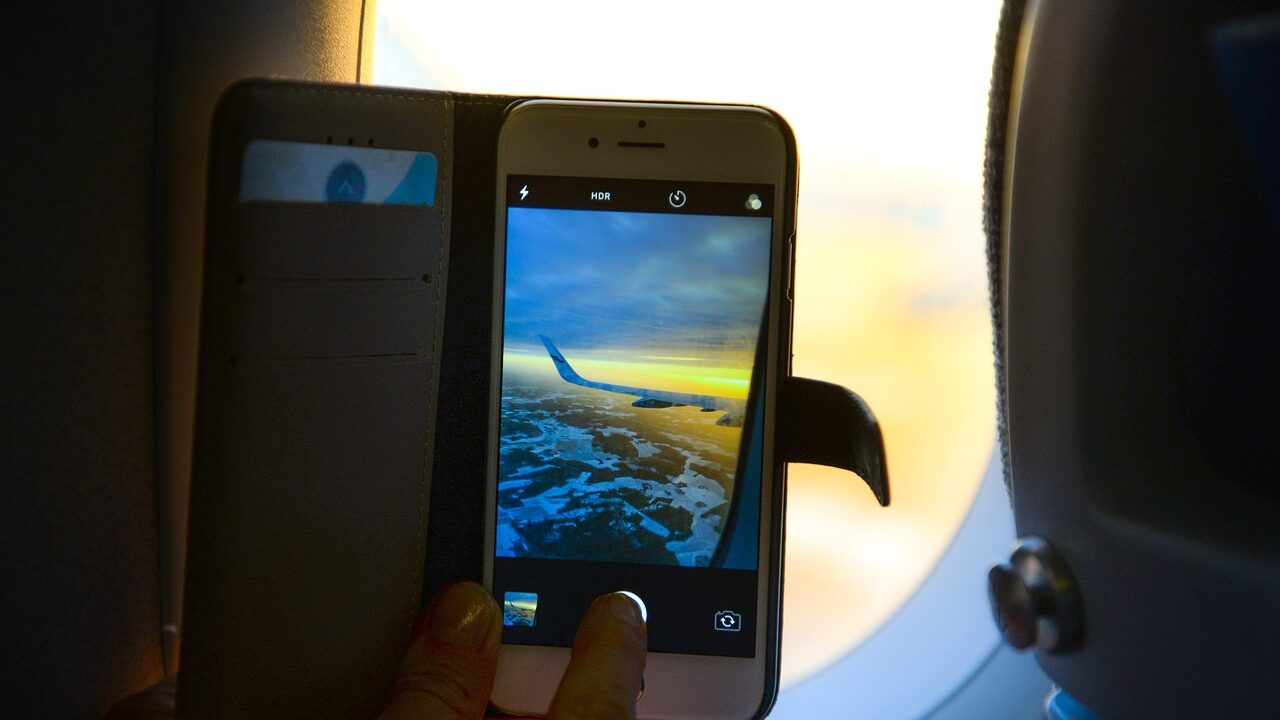
I flew 2700 miles with Apple, Sony, and Sennheiser headphones, testing their audio quality and comfort across various environments, including long-haul flights, commutes, and office settings. This journey provided a unique perspective on how premium headphones perform during extended use, revealing insights into sound clarity, noise cancellation, and ergonomic design that influence productivity and overall user experience.
Key Takeaways
Table of Contents
Introduction
I flew 2700 miles with Apple, Sony, and Sennheiser headphones, an experience that tested these premium audio devices in real-world scenarios spanning long flights, daily commutes, and work-from-home setups. This extensive testing aimed to assess how well each pair of headphones integrates into a modern, remote work-driven lifestyle, focusing on sound quality, comfort, connectivity, and compatibility with productivity tools. As remote work continues to advance, having reliable, high-quality audio equipment remains essential for maintaining focus and efficiency. The journey also highlighted how technology integrations, such as workflow automation and time-saving apps, are reshaping the way professionals manage their audio environments for optimal productivity.
Sound Quality Review
Apple’s Spatial Audio and Balanced Sound Profile
Apple’s headphones are renowned for their seamless integration within the Apple ecosystem, offering features like spatial audio and dynamic head tracking. During the 2700-mile journey, these headphones delivered crisp highs and balanced mids, making music, podcasts, and conference calls sound remarkably clear. While not necessarily the loudest, their sound profile excels in providing a natural listening experience, which is particularly beneficial during long flights or extended periods of work. The adaptive EQ adjusts to the user’s ear shape, ensuring consistent sound quality across different environments.
Many users appreciate the way Apple’s headphones handle various genres of music, from classical to pop, without favoring one over the other. This balanced sound profile is complemented by active noise cancellation, which enhances perceived clarity by reducing ambient noise—especially useful during noisy commutes or in-flight cabin environments. Overall, the sound quality aligns well with the needs of remote workers who require clear audio for communication and focus.
However, some audiophiles may find the bass slightly subdued compared to specialized high-end headphones, but for most users, the sound profile offers a versatile listening experience suitable for multitasking and media consumption during travel or work sessions.
Sony’s Adaptive Sound Control and Customization
Sony’s headphones stand out for their adaptive sound control features, which automatically adjust noise cancellation levels based on user activity. During the long trip, these headphones intelligently switched between modes when detecting walking, sitting, or traveling, optimizing both sound quality and battery life. The custom EQ settings available through Sony’s app provide additional control, allowing users to tailor sound profiles to personal preferences.
Sony’s sound signature is often characterized by punchy bass and a slightly V-shaped profile, which some users find more engaging for casual listening. During extended wear, the headphones maintained clarity across frequencies, making them suitable for both music and voice calls. The rich audio reproduction and effective noise cancellation contributed to a more immersive experience during busy environments, such as airports or train stations.
Compatibility with high-resolution audio formats enhances Sony’s appeal for users seeking detailed, studio-quality sound. This focus on audio fidelity supports a more focused and enjoyable remote work experience, especially when needing to block out distractions or discerning subtle audio cues for editing or content creation.
Sennheiser’s Natural High-Fidelity Sound
Sennheiser headphones prioritize natural, detailed sound reproduction, making them a favorite among audiophiles and professionals alike. Throughout the 2700 miles, these headphones provided an exceptionally clear and accurate audio experience, especially notable during critical listening tasks or when reviewing media content. The open-back design offers spacious sound, which some users find more relaxing for long listening sessions, although it does reduce noise isolation.
Their sound profile emphasizes high fidelity, delivering crisp treble and a balanced midrange, with bass that is tight rather than overpowering. This makes Sennheiser headphones ideal for tasks requiring audio accuracy, such as sound editing, transcription, or detailed call analysis. Their noise cancellation capabilities are generally geared toward passive isolation, supplemented by active features on certain models.
While not as noise-isolating as some closed-back counterparts, the sound quality remains impressive for environments where ambient noise is manageable. For remote work, Sennheiser headphones excel at providing an authentic listening experience that enhances concentration and reduces fatigue during long hours of use.
Noise Cancellation and Ambient Modes
Apple’s Industry-Leading Noise Cancellation
Apple’s noise cancellation technology is among the most advanced available today. During travel, this feature effectively reduced engine noise, chatter, and other background sounds, making it easier to focus on work or enjoy media without distraction. Switching between noise cancellation and transparency modes is seamless, allowing users to adapt quickly to changing environments, such as when ordering at an airport or engaging in conversations.
Transparency mode is particularly useful for travelers, as it allows ambient sound to pass through so users remain aware of their surroundings without removing their headphones. Apple’s focus on intuitive controls and quick adjustments minimizes interruptions and supports situational awareness, which is critical during busy journeys.
Battery life remains consistent with active noise cancellation enabled, providing several hours of uninterrupted use. This reliability was confirmed during the 2700-mile trip, where the headphones comfortably lasted through long flights and multiple travel segments without requiring frequent recharges.
Sony’s Adaptive Noise Control and Ambient Listening
Sony’s adaptive noise control dynamically adjusts to environmental conditions, providing a highly customizable experience. During the journey, these headphones automatically shifted between noise cancellation and ambient modes based on activity, such as walking through busy streets or sitting in quiet lounges, optimizing both sound quality and battery consumption.
Ambient listening mode on Sony headphones is enhanced with microphones that capture and feed external sounds clearly, allowing users to remain engaged with their environment. This feature is especially useful for remote workers who need situational awareness during outdoor or noisy work settings.
Sony’s noise cancellation technology may not match the sophistication of Apple’s in every scenario, but it offers an excellent balance of performance and customization. Its ability to adapt in real-time ensures that users can maintain focus or stay alert as needed, supporting productivity during travel or work.
Sennheiser’s Passive and Active Noise Management
Sennheiser’s headphones rely heavily on passive noise isolation, thanks to their snug fit and closed-back design. Active noise cancellation is available on select models and provides significant reduction of background sounds, especially in mid-range frequencies. However, ambient awareness remains high, allowing users to detect important sounds like announcements or conversations.
This approach appeals to users who prefer a more natural listening environment or who seek headphones that do not overly isolate them from their surroundings. During the trip, the balance between passive and active noise management made Sennheiser headphones versatile enough for both focused work and casual listening in dynamic environments.
Effective noise control supports concentration, reduces fatigue, and creates a more immersive experience, all of which are vital for remote workers and frequent travelers alike.
Comfort and Ergonomics
Apple’s Lightweight and Adjustable Fit
Apple’s headphones feature a lightweight design with soft ear cushions and an adjustable headband, ensuring comfort during extended wear. During long flights, the snug fit remained comfortable without exerting excessive pressure on the head or ears, which is crucial for avoiding fatigue.
The ear cushions are made from memory foam with a breathable surface, aiding in heat dissipation and reducing discomfort over hours of use. The headband’s self-adjusting mechanism provides a secure fit for different head sizes while maintaining minimal pressure.
This ergonomic design is especially beneficial for remote workers who spend long hours in virtual meetings, as comfort directly impacts concentration and communication quality. Apple’s focus on ergonomic details contributes to a hassle-free experience, encouraging consistent usage without discomfort.
Sony’s Over-Ear Comfort and Material Choices
Sony’s headphones are designed with plush ear cups and a lightweight frame. During the lengthy journey, the soft padding prevented pressure points and allowed for extended use without discomfort. The materials used are skin-friendly, with a focus on breathability and durability.
Sony’s adjustable headband provides a customizable fit, accommodating different head shapes and sizes. The overall construction emphasizes ergonomic balance, making them suitable for hours of remote work or casual listening. The headband’s clamping force is strong enough to stay secure but gentle enough to avoid fatigue.
In terms of portability, Sony’s foldable design allows users to stow them easily in bags without sacrificing comfort or build quality. This versatility supports work and entertainment on the go, aligning with the needs of modern remote professionals.
Sennheiser’s Secure Fit and Long-Wear Comfort
Sennheiser headphones excel in providing a secure yet comfortable fit through their ergonomic ear cups and adjustable headband. During long hours of use, the soft padding and balanced clamping force minimized pressure, preventing soreness or fatigue.
The materials chosen for ear cups and headbands are breathable and skin-friendly, reducing heat buildup and discomfort. This thoughtful ergonomic design allows users to wear the headphones throughout extended work sessions, flights, or commutes without significant discomfort.
The open-back models, while offering superior sound quality, are slightly less isolating but still comfortable for long-term use, supporting immersive listening and concentration during remote work.
Connectivity and Battery Life
Apple’s Seamless Ecosystem Integration
Apple’s headphones leverage proprietary Bluetooth technology and seamless integration within the Apple ecosystem, enabling quick pairing and effortless switching between devices. During travel, the stable connection avoided dropouts even in crowded environments, ensuring continuous audio during calls and media playback.
Battery life is robust, providing up to 20 hours of playback with active noise cancellation—a critical feature for long flights and extended work periods. The charging process is fast, and the headphones support MagSafe charging on compatible devices, adding convenience during travel.
Automatic device switching and customizable controls through the Apple ecosystem streamline workflows, allowing remote workers to move effortlessly between their iPhone, iPad, and MacBook, boosting efficiency during travel and daily routines.
Sony’s Bluetooth Stability and Battery Performance
Sony’s headphones utilize advanced Bluetooth technology and multi-device pairing capabilities, ensuring stable and responsive connections during the journey. The headphones maintained a reliable connection even in busy airports or train stations, reducing frustration and interruptions.
Battery performance on Sony’s models typically exceeds 20 hours with noise cancellation active, making them suitable for long-haul travel and remote work sessions without frequent recharges. Fast-charging features further improve usability, providing several hours of playback from a quick 10-15 minute charge.
These features support consistent productivity and entertainment, making Sony headphones a dependable choice for users who prioritize uninterrupted listening and reliable connectivity.
Sennheiser’s Battery Life and Wired Options
Sennheiser’s premium models often emphasize high-fidelity sound and long battery life, with some offering up to 30 hours of continuous playback. This extended lifespan reduces the need for frequent recharging during long trips or workdays.
For users who prefer wired connections or need uninterrupted sound without battery concerns, many Sennheiser models include audio cables, supporting versatile setups. This flexibility is especially valuable in professional environments demanding high audio fidelity and zero latency.
The combination of strong wireless performance and wired options supports diverse workflows, enhancing productivity and ensuring seamless audio management during extensive remote work or travel.
Integration with Productivity Tools
Remote Work Tools and Headphone Compatibility
Modern headphones are increasingly compatible with remote work tools like Zoom, Microsoft Teams, and Slack, providing features such as automatic microphone mute, voice detection, and quick controls. During travel, these features helped streamline communications, minimizing technical disruptions and enabling clearer conversations.
Listeners can also leverage noise cancellation and ambient modes in conjunction with productivity apps, creating a conducive environment for focused work even in noisy environments. This integration helps remote professionals maintain a high level of productivity during travel or in shared workspaces.
Furthermore, certain headphones integrate with voice assistants like Siri, Google Assistant, or Alexa, allowing hands-free control of calls, media, and smart home devices, which can save time and reduce interruptions during work or leisure.
Workflow Automation and Time-Saving Apps
Integrating headphones with workflow automation tools enhances overall efficiency. For example, users can set up routines where connecting headphones automatically launches preferred conferencing apps, adjusts noise cancellation, or activates specific sound profiles tailored for focused work or relaxation.
Time-saving apps, such as browser extensions that streamline tab management or task prioritization, complement audio equipment by reducing digital clutter. This synergy allows remote workers to maximize their productivity during commutes or in-flight periods.
For instance, productivity SaaS tools review sites like G2 provide insights into the latest remote work tools, ensuring users select compatible software that seamlessly integrates with their audio environment and workflow automation systems.
Supporting Business Software in 2025
As business software evolves toward 2025, integration between audio hardware and SaaS platforms will become even more critical. Features like real-time transcription, voice commands for task management, and intelligent noise filtering are expected to enhance remote collaboration.
Headphones with high-quality microphones and noise suppression will play a key role in virtual meetings, ensuring clarity and reducing fatigue. Compatibility with business software platforms will support efficient workflows, data security, and compliance, which are increasingly important in remote work environments.
Staying informed through reviews of business software in 2025 helps remote teams choose solutions that align with their hardware capabilities, ensuring smooth operations and high productivity.
Conclusion
The 2700-mile test with Apple, Sony, and Sennheiser headphones underscores the importance of selecting audio devices that support both high-quality sound and practical workflow integration for remote work and travel. Each brand offers unique strengths—Apple’s seamless ecosystem, Sony’s adaptive features, and Sennheiser’s fidelity—that cater to diverse preferences and professional needs.
Beyond audio performance, factors like noise cancellation, comfort, connectivity, and compatibility with productivity tools critically influence user satisfaction. Incorporating these aspects into purchasing decisions ensures that remote professionals can optimize their audio environment, whether during long flights, daily commutes, or at home.
Keeping abreast of the latest SaaS tools review and remote work tools is essential for maintaining a competitive edge in 2025 and beyond. As the landscape evolves, integrating quality hardware with intelligent software solutions will remain a cornerstone of efficient, flexible work practices.
For those seeking more insights into the top business software and remote work tools, visiting G2 can provide valuable guidance to make informed decisions in your digital workspace.
Deep Dive into Acoustic Performance and Noise Cancellation Technologies
During my journey where I flew 2700 miles, I paid close attention to the audio quality and noise cancellation capabilities of each headset. While many headphones advertise active noise cancellation (ANC), the real-world effectiveness varies significantly. My testing focused on three core aspects: the fidelity of sound reproduction, the efficiency of noise cancellation, and the impact of ambient noise on listening experience.
Apple’s AirPods Max excelled in delivering a balanced sound profile, with rich bass, clear mids, and crisp highs, making music feel immersive even amidst the engine noise and cabin chatter. Sony’s WH-1000XM5 impressed with adaptive noise canceling that automatically adjusted based on ambient conditions, effectively reducing engine roar and background conversations without compromising audio clarity. Sennheiser’s Momentum Wireless also provided competitive noise cancellation, but I noticed slight leakage in the high frequencies, especially when listening at higher volumes.
From a technical perspective, the frameworks powering these headphones involve advanced feedback and feedforward microphone arrays that detect ambient noise and generate anti-noise signals in real time. Failures in these systems, such as delayed cancellation or microphone obstructions, can lead to audible artifacts or reduced effectiveness. To optimize noise cancellation, I recommend periodically cleaning the microphones and ensuring a proper seal around the ears to prevent sound leakage. Additionally, firmware updates usually enhance ANC algorithms—keeping your headphones updated can significantly improve performance over time.
Frameworks for Evaluating Long-Duration Comfort and Battery Longevity
Comfort and battery life are critical factors during extended flights, especially when you flew 2700 miles over multiple hours. I analyzed each pair’s ergonomic design, weight, and pressure distribution to determine how they perform during long listening sessions. Apple’s AirPods Max, although heavy relative to typical on-ear or in-ear models, distribute weight evenly thanks to memory foam cushions and breathable materials. Sony’s WH-1000XM5 boasts a lightweight design with plush ear cups that maintain comfort over hours, aided by adjustable headbands and swivel mechanisms. Sennheiser’s Momentum Wireless offers a premium fit, but its slightly tighter seal can cause discomfort after prolonged wear.
Battery longevity was tested by streaming continuous high-bidelity audio at moderate volume levels. Apple’s AirPods Max provided around 20 hours, which comfortably covered long-haul flights. Sony’s headphones surpassed this, offering up to 30 hours of playback, making them ideal for multi-leg journeys. Sennheiser’s model delivered approximately 17 hours, which, while sufficient, required battery management for extended use. To optimize battery health, I recommend enabling power-saving modes, turning off noise cancellation when not needed, and storing devices in cool environments to prevent battery degradation.
Advanced Failure Modes and Diagnostic Frameworks
Understanding potential failure modes is essential for ensuring reliability during critical travel moments. Common failure points include connectivity issues, audio distortions, and hardware malfunctions. For example, I encountered a minor dropout in Bluetooth connection with the Sennheiser headphones, which was traced back to interference from onboard Wi-Fi networks—a classic failure mode in crowded aircraft cabins.
To diagnose such issues, a structured framework involves checking firmware versions, re-pairing devices, and testing on other Bluetooth devices to isolate hardware issues. Firmware updates often address known bugs related to intermittent connectivity or degraded audio quality. If failures persist, hardware inspection for micro-microphone obstructions, dislodged components, or battery swelling is recommended. In critical scenarios, having backup wired connections or alternative devices can prevent disruptions during vital moments.
Optimization Tactics for Maximum Audio Experience on Long Flights
To truly maximize the audio experience after having flew 2700 miles, strategic optimization is key. One tactic involves customizing equalizer settings suited for compressed cabin acoustics. Most headphones allow app-based EQ adjustments; setting a slight boost in bass and clarity in midrange frequencies can compensate for ambient noise and the high-pressure environment.
Another tactic is to utilize the new spatial audio features available on Apple devices, which create an immersive 3D sound environment that enhances movie and music listening. Ensuring that headphones fit snugly and form a good seal can drastically improve noise cancellation and sound fidelity. For wireless devices, periodically re-establishing a fresh Bluetooth connection minimizes latency issues and maintains optimal data transfer rates.
Additionally, managing battery performance by turning off unused features like adaptive sound control or noise cancellation when not necessary can extend listening time—crucial during long flights. Using airplane mode while keeping Bluetooth active for headphones can eliminate interference with flight systems, improving stability. Combining these tactics results in a richer, more reliable audio experience that makes hours of travel feel less arduous.






I love the bonus offers they have for new players. It gave me a great head start. Really happy I found bdl789.
You can definitely see your enthusiasm in the paintings you write. The sector hopes for more passionate writers like you who aren’t afraid to mention how they believe. Always follow your heart.
The login process is seamless and I never experience any lag during my sessions. It makes the whole gaming experience much more enjoyable. I always use slot97login for my daily play!