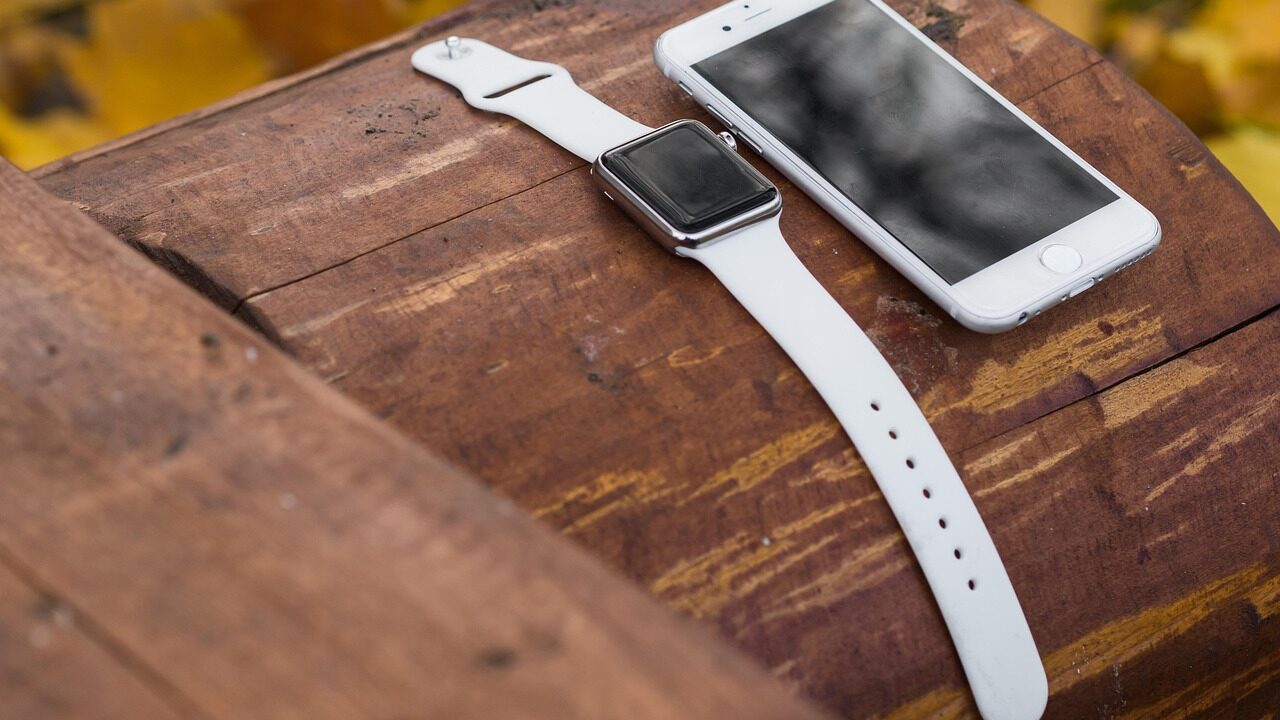
Apple explains watchOS 27’s recent update decisions, including why support has been dropped for several older Apple Watch models, prompting widespread discussion among users and tech analysts. This move underscores Apple’s evolving approach to software support, device capabilities, and strategic product lifecycle management.
Key Takeaways
Table of Contents
Apple explains watchOS 27 and Device Support Changes
Official Statements and Rationale Behind Support Droppings
The recent announcement from Apple about watchOS 27 has garnered significant attention, primarily because the company explicitly explained why support for several older Apple Watch models was discontinued. Apple states that the decision was driven by the need to optimize performance, security, and the introduction of new features that are only feasible on newer hardware.
This official explanation highlights the importance of maintaining a balance between supporting a wide range of devices and ensuring that the latest software provides a consistently high-quality experience. Apple’s focus on hardware capabilities plays a major role here, as older devices may lack the necessary processing power or sensor integration needed for advanced functionalities in watchOS 27.
Furthermore, Apple emphasizes that dropping support allows them to prioritize security patches and system stability on devices that can fully leverage the new software’s capabilities. This is consistent with their longstanding practice of encouraging users to upgrade to newer hardware for the best user experience, especially as technology evolves rapidly.
Which Apple Watch Models Are Affected?
The list of unsupported devices for watchOS 27 includes several models that users initially expected to receive the update. Notably, Apple disclosed that models launched before the Series 4 are no longer compatible, including the Series 1 and Series 2, along with some Series 3 variants.
Specifically, the discontinuation affects watches that lack the necessary hardware features — such as the latest processors, sensors, and LTE capabilities — which are integral to the new features introduced in watchOS 27. The decision aligns with Apple’s overall strategy to phase out older hardware that cannot meet security or performance standards.
In practical terms, this means that users with older watches will need to consider device upgrades if they wish to access new functionalities like advanced health tracking, better app support, and improved system efficiency. This move has prompted discussions about device longevity and the sustainability of supporting older hardware in a rapidly advancing software landscape.
Technical Criteria and Hardware Limitations
Behind the scenes, Apple’s technical criteria for dropping device support include processor capabilities, sensor availability, and power management features. For example, newer versions of watchOS increasingly rely on sensors such as the ECG, blood oxygen monitoring, and advanced accelerometers, which are absent in older models.
Moreover, performance benchmarks show that older devices simply cannot run the latest software smoothly if they lack the necessary processing speed and memory capacity. Apple explains watchOS 27’s system requirements are strict to ensure users receive a seamless experience, especially when using remote work tools or engaging with advanced business software 2025.
This strategic pruning of supported devices not only helps Apple deliver a more refined user experience but also reduces the complexity of maintaining backward compatibility, which can be resource-intensive and limit innovation in software design.
Impact on Users and Developers
For End Users: The Pros and Cons of Support Discontinuation
The decision to drop support for older Apple Watch models inevitably impacts a broad user base. Users with unsupported watches must weigh the benefits of staying with their current hardware against the access to new functionalities offered by watchOS 27.
While some users appreciate the enhanced features and improved security that come with software updates, others face the inconvenience of needing to upgrade to newer devices. This is especially relevant amid the rise of remote work tools that increasingly depend on the latest hardware capabilities for synchronization and data security.
Furthermore, for users invested in the Apple ecosystem, this discontinuation might influence decisions about device upgrades, especially for business professionals relying on productivity apps and integrations with enterprise solutions.
Developer Considerations: Compatibility and Innovation
For developers, the shift in supported devices requires adapting app design and functionality. As Apple explains watchOS 27, it encourages developers to optimize their apps for newer hardware, leveraging advanced sensors and processing capabilities.
This transition often leads to a bifurcation in app development, where developers must decide whether to maintain legacy support or focus on the latest hardware features. It also impacts tool integrations, browser extensions, and the development of remote work tools that customers use daily.
Developers working within the Apple ecosystem must consider these factors carefully, balancing the need for broader compatibility against the benefits of innovating with cutting-edge hardware.
Implications for Enterprise and Business Software 2025
Business software 2025 is trending toward higher integration with wearable devices, including the Apple Watch. With the support cutoff for older models, enterprise users will likely see a shift toward deploying newer Apple Watch hardware equipped with the latest sensors and connectivity options.
This transition can influence corporate strategies for device management, security protocols, and app deployment. Businesses aiming to incorporate wearables into their remote work tools must evaluate hardware compatibility and the potential need for device upgrades.
Overall, these changes highlight the importance of understanding hardware lifecycle management in enterprise infrastructure planning, as well as the importance of building scalable, adaptable software ecosystems.
Software Comparison and Strategic Choices
Comparing watchOS 26 and 27
While detailed technical differences are available through official Apple documentation, a broad comparison indicates that watchOS 27 introduces features that require higher hardware capabilities, such as enhanced health monitoring, new interfaces, and improved authorization protocols.
These enhancements are designed to improve user engagement and security, aligning with trends seen in the best productivity apps and remote work tools. However, they inevitably result in certain hardware being left behind, as Apple explains watchOS 27.
Choosing whether to upgrade or stick with older devices depends heavily on individual needs, device compatibility, and the importance of new features versus hardware investment. For some users, maintaining older devices with limited support might be acceptable if core functionalities suffice.
Trade-offs Between Hardware Support and Software Features
Apple explains watchOS 27, emphasizing that advanced features — such as blood oxygen monitoring, ECG, and precise gesture controls — are now exclusive to newer models. This creates a clear trade-off: access to cutting-edge capabilities versus device longevity.
Hardware upgrades often involve cost considerations, but they also impact app performance and the integration with remote work tools. Outdated hardware may struggle with recently introduced browser extensions or enterprise-level security protocols.
Deciding on software support involves assessing the user base, the importance of new features, and the sustainability of supporting older devices. For enterprise applications, this decision becomes more strategic, influencing device procurement policies and software rollout timelines.
Implications for Tool Integrations and Ecosystem Compatibility
Apple explains watchOS 27’s impact on tool integrations, especially for remote work tools that rely on seamless synchronization across devices. New APIs and system enhancements focus heavily on privacy, security, and performance, demanding newer hardware for optimal operation.
Browser extensions and productivity apps are increasingly dependent on the latest system features, which might not be available on unsupported watches. Consequently, users and developers must plan for phased upgrades or alternative solutions that maintain productivity without sacrificing functionality.
The broader ecosystem, including third-party apps and enterprise solutions, must adapt to these changes to ensure compatibility, security, and user satisfaction. This evolution also raises questions about the longevity of the entire device ecosystem and the future trajectory of software support policies.
Future of Business Software 2025 and Wearable Tech
Wearable Devices as Business Tools
As businesses increasingly incorporate wearable technology into their workflows, Apple explains watchOS 27’s support changes as part of a broader transition towards more capable, secure, and integrated hardware solutions. Wearables are now seen as vital components in digital transformation initiatives, especially with the push towards remote work tools.
Future business software 2025 is expected to leverage wearable data for real-time analytics, health and productivity monitoring, and enhanced communication. This necessitates hardware that can support such complex software ecosystems effectively.
Organizations will likely prioritize deploying newer Apple Watch models to ensure compatibility and optimal performance of business-critical applications. The shift in support policies forecasts a future where device upgrades are essential for maintaining competitive edge in digital workplace strategies.
Emerging Trends in Wearable-Integrated Business Solutions
Emerging trends point toward deeper integrations between wearables and business software, including AI-driven insights, automated workflows, and security enhancements. Apple explains watchOS 27’s support discontinuation as a strategic move to foster innovation aligned with these trends.
Remote work tools are becoming more sophisticated, with features like voice recognition, gesture controls, and biometric authentication integrated into wearable platforms. These advancements require hardware that can handle increased data processing and connectivity demands.
Additionally, with more extensive tool integrations, organizations will need to consider the ecosystem’s capacity to support new app types, security protocols, and user interfaces that improve productivity and engagement.
Remote Work Tools, Browser Extensions, and Tool Integrations
Enhancing Remote Work with Wearable Tech
Remote work tools have grown to include a variety of integrations that are optimized for wearables, including notifications, quick replies, and biometric authentication. Apple explains watchOS 27’s support decisions as a way to streamline these functionalities on devices with newer hardware.
For example, enhanced gesture controls and real-time health tracking can improve focus, reduce fatigue, and enable more seamless communication during remote work sessions. These features are mostly accessible on newer Apple Watch models, encouraging users to upgrade for productivity gains.
Businesses adopting wearable tech are increasingly incorporating these features into their remote work strategies, complementing traditional software like Slack, Zoom, and project management platforms with device-specific capabilities.
Browser Extensions and Productivity Apps
Browser extensions and productivity apps are also evolving to harness the capabilities of latest wearable hardware. In this landscape, Apple explains watchOS 27’s support cutoff as an inevitable step to foster innovation and focus development efforts on newer platforms.
Some extensions now include features such as quick notifications, biometric login, and contextual data sharing, all optimized for the latest system APIs. Developing for these newer APIs requires access to recent hardware features, influencing both app developers and users.
As a result, organizations should evaluate their existing tool ecosystems and consider phased upgrades, possibly directing traffic to newer devices that can fully support these extended functionalities.
Product Hunt is a valuable resource for discovering new productivity tools and extensions that integrate seamlessly with the latest Apple hardware and watchOS versions, ensuring users stay at the forefront of efficiency and collaboration.
Conclusion
Apple explains watchOS 27’s support policy as a strategic decision rooted in optimizing performance, enhancing security, and delivering innovative features. While this results in discontinuing support for some older Apple Watch models, it aligns with the company’s broader vision of advancing wearable technology and enterprise integration.
For users, the decision to upgrade hinges on their need for the latest functionalities, especially as remote work tools and business software 2025 become increasingly dependent on cutting-edge hardware. Developers must navigate compatibility challenges while pushing the boundaries of app innovation.
Looking ahead, the shift in device support shapes the future of wearable tech in business, emphasizing the importance of hardware upgrades for leveraging new APIs, tool integrations, and performance improvements. As Apple continues to evolve, staying informed about these changes is essential for maximizing productivity and security in an increasingly connected workplace.
Technical Framework Behind Compatibility Decisions
Understanding why apple explains watchos 27 drops support for numerous older Apple Watch models requires an examination of the underlying technical frameworks and hardware capabilities. Apple’s development team employs a rigorous set of criteria focused on system architecture, processing power, and security features to determine compatibility. When designing watchOS updates, Apple prioritizes optimizing the user experience by ensuring the OS can fully leverage the hardware’s capabilities, which sometimes necessitates discontinuing support for outdated devices.
At the core of this decision-making process is the hardware abstraction layer (HAL), a software layer that interfaces directly with device hardware components. Over successive generations, Apple introduces enhancements to the HAL that may include advanced sensors, improved power management, and more sophisticated processing units. For example, newer Apple Watch models feature the S7 or S8 chips, which support advanced security protocols like Secure Enclave and more efficient system management algorithms. These enhancements enable new features such as improved health metrics, enhanced privacy controls, and more responsive user interfaces, which cannot be reliably supported on older hardware lacking these capabilities.
Furthermore, Apple assesses compatibility based on the device’s firmware and core system libraries. Compatibility frameworks like CoreML and HealthKit often have minimum hardware requirements that newer versions of watchOS depend upon. If an older device’s firmware cannot meet the updated security standards or processing demands, supporting it could risk system instability or degraded user experience. To mitigate such risks, apple explains watchos 27’s compatibility scope in terms of failing gracefully on unsupported devices, ensuring that users are informed about the unsupported features without experiencing system crashes or performance lags.
Failure Modes and Impact of Unsupported Hardware
Discontinuing support for older Apple Watch models introduces specific failure modes that both Apple and users need to anticipate. One common failure mode is system freeze or boot loops, which occur when the OS detects hardware incompatibilities during startup sequences. For example, attempting to run watchOS 27 on an unsupported device might result in the system being unable to fully initialize, leading to repeated reboot cycles or failure to load the user interface. Apple’s design philosophy minimizes these failures by incorporating early hardware compatibility checks during installation or update processes, preventing the OS from being installed on incompatible devices.
Another failure mode is feature degradation, where certain functionalities become inaccessible or unstable on older hardware. For instance, health monitoring features that rely on new sensors or advanced processing algorithms might not perform correctly, leading to inaccurate data or inconsistent operation. Additionally, security vulnerabilities may arise if outdated hardware cannot implement the latest security standards, potentially exposing user data to risks. Apple explains watchos 27 addresses these risks by clearly defining the supported hardware set and providing users with transparency about feature limitations on unsupported devices.
Power management failures can also surface, especially when the operating system attempts to utilize hardware components that are no longer optimized for current software demands. Such mismatches can lead to accelerated battery drain or overheating issues in unsupported devices. To mitigate these risks, Apple’s update process includes extensive testing across diverse hardware configurations, ensuring that unsupported devices fail gracefully—showing appropriate messages or fallback modes instead of unpredictable crashes or hardware damage.
Optimization Tactics for Future Compatibility and Performance
To future-proof its watchOS platform, Apple employs a range of optimization tactics aimed at balancing new feature integration with hardware limitations. One key approach is the adoption of modular software architecture, enabling selective activation of features based on device capabilities. This architecture allows Apple to introduce complex functionalities like advanced fitness metrics or augmented reality interfaces in newer devices while maintaining basic usability on older models. With such a framework, apple explains watchos 27 as leveraging adaptive algorithms that optimize resource allocation dynamically, depending on the hardware’s processing power and sensor availability.
Additionally, Apple invests heavily in code efficiency and power optimization strategies. The use of low-level programming languages such as Swift and Objective-C combined with meticulous profiling enables the OS to perform maximum operations with minimal energy consumption. For example, background activity scheduling has been refined using machine learning models that predict user behavior, minimizing unnecessary sensor activation or data processing. These tactics help conserve battery life, an essential consideration given the hardware constraints of older Apple Watch models.
Apple also emphasizes the importance of incremental feature rollout and backward compatibility testing. During development of watchOS 27, the company conducted comprehensive testing across a broad spectrum of hardware configurations, employing frameworks like XCTest and Instruments to identify performance bottlenecks or failure modes specific to unsupported devices. The results inform targeted optimizations, such as disabling resource-intensive features on legacy hardware or providing alternative user interfaces that offer a seamless experience within the device’s capabilities.
In conclusion, apple explains watchos 27’s support policies through a combination of technical rigor, hardware-aware design principles, and strategic optimization tactics. This comprehensive approach ensures that users benefit from innovative features while maintaining system stability, security, and efficiency—ultimately enhancing the overall ecosystem experience despite the inevitable phasing out of some older models. The clear communication around these decisions helps users understand the rationale behind hardware support changes and encourages them to consider hardware upgrades aligned with software advancements.






The variety of options here is just insane. I love how everything loads so quickly without any lag. Give brwinxx a try if you want a reliable platform.
Hi, Neat post. There is a problem with your web site in internet explorer, would test this?K IE nonetheless is the market leader and a large part of folks will leave out your great writing because of this problem.
Been trying a few different sites lately but this one stands out for the odds. The betting options are huge. Definitely give unbet a try.