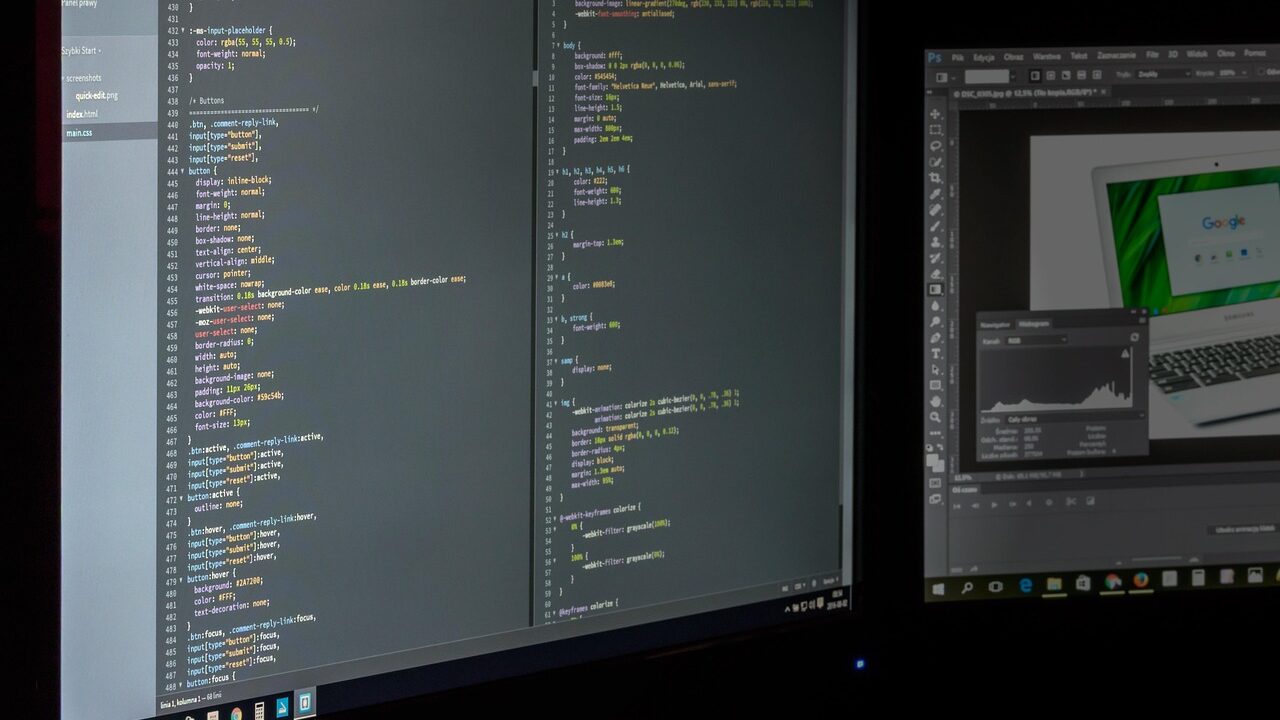
Creating memorable web experiences is at the core of modern digital design, influencing user engagement, brand loyalty, and conversion rates. As the digital landscape evolves, designers and developers seek innovative tools to craft websites that stand out, deliver value, and foster meaningful interactions. This comprehensive guide explores essential CSS toolkits and related resources that facilitate the development of engaging, user-centric websites, emphasizing best practices, practical steps, and strategic integrations.
Key Takeaways
Table of Contents
Understanding Creating Memorable Web Experiences
Defining Memorable Web Experiences
Creating memorable web experiences involves designing websites that leave a lasting impression on users through engaging visuals, intuitive navigation, and responsive interactions. Such experiences are characterized by their ability to evoke emotions, facilitate easy access to information, and foster trust and loyalty. In essence, a website that resonates emotionally and functionally with its visitors becomes memorable.
To achieve this, designers must go beyond aesthetics and incorporate user-focused strategies that prioritize usability, accessibility, and performance. This means understanding user behavior, preferences, and expectations to tailor web interactions accordingly. A well-structured user journey, coupled with visually appealing elements, helps in creating a cohesive and memorable experience.
Creating memorable web experiences also involves leveraging innovative technologies such as CSS animations, dynamic layouts, and interactive elements. These tools enable designers to craft engaging interfaces that guide users seamlessly through content while maintaining a consistent visual language. Ultimately, the goal is to craft a digital environment that engages users emotionally and functionally, making every visit meaningful.
Importance of User-Centric Design
User-centric design is fundamental in creating memorable web experiences. By prioritizing the needs, behaviors, and preferences of users, designers can develop websites that are not only visually appealing but also highly functional. This approach ensures that users find what they need efficiently and enjoy the journey through the site.
This emphasis on usability involves conducting user research, testing prototypes, and iterating based on feedback. It also requires understanding accessibility standards to ensure inclusivity for all users, regardless of physical or cognitive limitations. The outcome is a website that feels personalized, intuitive, and easy to navigate, which significantly enhances memorability.
Incorporating analytics tools helps monitor user interactions and identify pain points, guiding further improvements. A user-focused approach also involves designing for various devices and screen sizes, ensuring consistency across desktops, tablets, and smartphones. Such meticulous attention to detail contributes to a cohesive, memorable web experience that resonates with users long after their visit.
The Role of Modern CSS Toolkits
Overview of CSS Toolkits
Modern CSS toolkits have revolutionized web development by providing pre-designed components, utility classes, and frameworks that simplify styling and layout tasks. These toolkits enable developers to create consistent, responsive, and visually appealing websites more efficiently. They serve as foundational elements that streamline the design process, reduce coding time, and enhance cross-browser compatibility.
Examples of popular CSS toolkits include Bootstrap, Tailwind CSS, and Foundation. Each offers unique features—Bootstrap provides comprehensive components and JavaScript integrations; Tailwind emphasizes utility-first classes for rapid custom styling; Foundation focuses on mobile-first, accessible design. These frameworks are constantly evolving, incorporating new features aligned with current best practices.
Using a CSS toolkit allows designers to focus more on the creative aspects of the project rather than repetitive styling tasks. It encourages consistency across web pages and simplifies maintenance. Moreover, integration with modern development environments makes it easier to implement complex layouts and interactive features, contributing to creating memorable web experiences.
Key Features and Benefits
CSS toolkits offer several advantages that directly impact the quality and efficiency of web projects. They provide a suite of ready-to-use components such as navigation bars, modals, buttons, and form elements, which can be easily customized. Utility classes facilitate rapid styling, reducing the need for extensive custom CSS.
Additionally, these toolkits promote responsive design principles, ensuring websites look great on all devices. They often include grid systems, flexbox utilities, and media query presets, supporting flexible layouts and adaptive interfaces. This responsiveness is crucial in creating memorable web experiences, as users expect seamless performance across their devices.
Integration capabilities are another significant benefit. CSS frameworks can be combined with JavaScript libraries, backend systems, and content management platforms to build comprehensive web applications. This interoperability accelerates development timelines and enhances overall project quality, enabling teams to deliver memorable, functional websites efficiently.
Integrating with Tool Integrations
Enhancing Workflow with Tool Integrations
Integrations between CSS toolkits and other digital tools are essential to streamline web development workflows. For example, linking CSS frameworks with version control systems like Git allows for better collaboration and code management. Similarly, integrating design tools such as Figma or Adobe XD with development environments helps translate prototypes into code with minimal friction.
This integration process reduces manual effort, minimizes errors, and accelerates project timelines. When CSS toolkits are compatible with popular code editors and IDEs, developers can utilize features like autocomplete, linting, and live previewing to enhance productivity. As a result, teams can focus more on crafting creating memorable web experiences rather than managing technical overhead.
Furthermore, connecting CSS toolkits with build systems like Webpack or Gulp automates tasks such as minification, concatenation, and optimization, ensuring fast-loading, high-quality websites. These integrations support rapid prototyping and iterative testing, which are vital in refining the user experience and achieving impactful design outcomes.
Integrating with Remote Work Tools
Remote work tools like Slack, Zoom, and project management software enable dispersed teams to collaborate effectively on web development projects. Linking these tools with your CSS toolkits and development environment fosters real-time communication and instant feedback, vital for creating memorable web experiences.
For example, sharing live previews of website updates through collaboration platforms allows stakeholders to review and suggest improvements promptly. This continuous feedback loop accelerates decision-making and ensures the final product aligns with user needs and client expectations.
Additionally, managing tasks, bugs, and feature requests with project management software like Jira or Trello integrates seamlessly with development workflows. These tools facilitate tracking progress, assigning responsibilities, and maintaining documentation—all crucial for maintaining momentum and delivering memorable websites within deadlines.
Maximizing Productivity with Time-Saving Apps
Top Productivity Apps for Web Developers
Time-saving apps tailored to web developers significantly enhance efficiency, allowing teams to focus on creating memorable web experiences rather than getting bogged down in repetitive tasks. Applications such as code snippets managers, task automators, and screen recording tools can streamline various aspects of development.
Code snippet managers like SnippetsLab or Boostnote help store reusable code blocks, reducing coding time and maintaining consistency. Task automation tools like Zapier or IFTTT enable automatic workflows—e.g., triggering CSS builds after code commits—saving valuable time and reducing errors. Screen recording and bug tracking apps facilitate swift issue reporting and collaborative troubleshooting.
Moreover, time-tracking tools such as Toggl or Clockify provide insights into how development hours are spent, helping teams identify bottlenecks and optimize workflows. When combined with communication platforms, these apps contribute to a smoother, more productive environment—key elements in delivering memorable web projects efficiently.
Optimizing Project Workflow
Effective project workflows depend heavily on choosing the right apps and practices. Implementing Agile or Kanban methodologies within project management platforms allows for flexible, incremental development that aligns with creating memorable web experiences. Visual task boards help teams prioritize features, address issues promptly, and adapt to changing requirements.
Integrating continuous integration/continuous deployment (CI/CD) tools helps automate testing, code merging, and deployment, reducing manual effort and minimizing errors. This level of automation ensures that new features or design enhancements are quickly available for users, maintaining engagement and satisfaction.
By adopting a modular approach with reusable components and automated workflows, teams can accelerate development cycles, maintain high code quality, and deliver impactful, memorable websites that stand out in competitive digital environments.
Selecting and Using Project Management Software
Criteria for Choosing Project Management Tools
Selecting the right project management software involves assessing features that align with team size, project scope, and workflow preferences. Key considerations include task tracking capabilities, collaboration features, integration options, and ease of use. For web development teams aiming to create memorable web experiences, transparency and real-time updates are critical.
Flexibility in customization and support for agile methodologies are also vital, as they enable teams to adapt quickly to changing project requirements. Cloud-based platforms offer accessibility for remote teams, ensuring consistent collaboration regardless of location. Cost and scalability are practical factors influencing decision-making, especially for small to mid-sized agencies.
Platforms such as Jira, Trello, Asana, and ClickUp are popular choices, each with distinct strengths. Evaluating user reviews and feature comparisons through dedicated software comparison sites like G2 provides valuable insights, assisting teams in selecting the tools best suited for their web project needs.
Implementing Project Management Best Practices
Effective implementation involves establishing clear workflows, roles, and communication channels. Defining project milestones and deliverables helps maintain focus on creative goals that enhance user engagement. Regular stand-ups, sprint planning, and retrospective meetings facilitate continuous improvement.
Documenting processes and maintaining visibility over task progress support accountability and clarity among team members. Additionally, integrating project management tools with development environments and version control systems creates a seamless workflow that accelerates delivery of creating memorable web experiences.
Training teams on platform features and establishing consistent protocols ensure that tools are used effectively, maximizing their potential to support high-quality, engaging websites.
Navigating Software Comparison Platforms
Understanding the Value of Software Comparison Platforms
Platforms like G2 provide comprehensive reviews, ratings, and feature comparisons across a wide range of software tools relevant to web development. They serve as a resource for teams seeking to evaluate products based on real-user feedback, performance metrics, and vendor reputation.
Using these platforms helps avoid biases and provides an objective basis for decision-making. For creating memorable web experiences, it’s crucial to select tools that are reliable, well-supported, and capable of integrating with existing workflows.
Regularly consulting software comparison sites ensures teams stay updated on the latest trends, features, and industry standards, promoting continuous improvement in their toolset and project outcomes.
How to Use Comparison Data Effectively
When analyzing comparisons, focus on criteria most relevant to your project, such as usability, customer support, integration capabilities, and cost. Reading user reviews provides insights into potential limitations or advantages not apparent in product descriptions.
Creating a shortlist based on these evaluations allows for targeted testing and hands-on trials, which are invaluable before making a final selection. Documenting findings and aligning tool capabilities with project needs ensures informed decisions that support creating memorable web experiences.
Ultimately, leveraging the data from software comparison platforms, combined with internal assessments, leads to a more efficient and effective toolchain tailored to your organization’s goals.
Remote Work Tools for Web Developers
Essential Remote Collaboration Tools
Remote work tools are indispensable for web development teams working across different locations. Video conferencing platforms like Zoom or Microsoft Teams facilitate real-time communication, enabling quick clarifications and brainstorming sessions essential for creating engaging web experiences.
File sharing and cloud storage solutions such as Dropbox, Google Drive, and OneDrive ensure that team members have access to project assets, code snippets, and documentation regardless of their physical location. These tools promote transparency and ease of collaboration, vital for maintaining momentum.
Issue tracking and bug reporting tools track defects and feature requests efficiently. Combining these with communication apps fosters a responsive environment where feedback loops are short, enabling rapid adjustments that enhance the user experience.
Security and Productivity in Remote Teams
Security measures such as VPNs, two-factor authentication, and encrypted communications protect sensitive project data. Ensuring data integrity and confidentiality is crucial in delivering trustworthy web experiences to users.
Productivity-focused tools like time management apps, focus timers, and virtual whiteboards support remote teams in maintaining high performance. These resources help prevent burnout, encourage structured work routines, and facilitate creative collaboration.
By adopting a comprehensive suite of remote tools, web development teams can sustain high-quality workflows and deliver memorable web experiences, regardless of geographical barriers.
Best Productivity Apps for Web Creation
Top Apps to Accelerate Web Development
Among the best productivity apps for creating memorable web experiences are code editors like Visual Studio Code, which offer extensions for CSS, HTML, and JavaScript, facilitating rapid prototyping and debugging.
Design collaboration tools such as Zeplin or Abstract streamline the transition from design mockups to coded interfaces, ensuring visual fidelity and reducing revisions. Live preview tools like BrowserSync allow developers to see real-time updates across multiple devices, speeding up testing cycles.
Asset optimization tools such as ImageOptim or TinyPNG help compress images without quality loss, reducing load times—a critical factor in user engagement and memorability.
Supporting Continuous Improvement
Automation tools like Grunt or Gulp automate repetitive tasks such as CSS preprocessing, image compression, and code minification, freeing developers to focus on creative aspects.
Task management apps like ClickUp or Monday.com enable teams to plan sprints, track progress, and document lessons learned—fundamental practices in delivering high-impact websites.
Incorporating analytics platforms such as Google Analytics or Hotjar provides data-driven insights into user behavior, informing iterative improvements that enhance engagement and memorability.
Conclusion
Creating memorable web experiences requires a multi-faceted approach that combines innovative CSS toolkits, strategic tool integrations, and effective workflow management. By leveraging modern development frameworks, remote work tools, and productivity apps, teams can deliver websites that are visually compelling, highly functional, and emotionally engaging. Continual evaluation of tools through platforms like G2 ensures that the technology stack remains aligned with evolving best practices and project goals. Ultimately, a focused effort on user-centric design, seamless collaboration, and technological adaptability will lead to web experiences that resonate and endure in a competitive digital environment.
Leveraging CSS Frameworks for Rapid Development and Consistency
As the demand for creating memorable web experiences grows, developers increasingly turn to CSS frameworks such as Tailwind CSS, Bootstrap, and Foundation. These frameworks provide a robust foundation of pre-designed components, utility classes, and responsive grid systems that accelerate development while maintaining consistency across projects. Incorporating a modern CSS toolkit leverages predefined styles to create visually appealing interfaces quickly, freeing time for customization and refinement.
For instance, Tailwind CSS emphasizes utility-first classes that allow precise control over styling directly within HTML, enabling developers to craft unique, responsive designs without writing extensive custom CSS. Bootstrap offers comprehensive component libraries like navbars, modals, and carousels, which can be easily integrated and customized to fit the brand identity. Combining these frameworks with best practices ensures that designs are not only beautiful but also performant and accessible.
When creating memorable web experiences, it’s essential to understand the framework’s architecture to avoid common pitfalls such as bloated CSS files or inconsistent styles. Careful selection of components and utility classes allows for streamlined development, while leveraging responsive design features ensures the website looks excellent across all devices. Furthermore, frameworks often include accessibility features out of the box, contributing to inclusive and user-friendly interfaces.
However, it’s vital to customize and extend these frameworks to align with your brand identity and unique project goals. Using tools like PostCSS or CSS variables can help override default styles, ensuring a cohesive visual narrative. Proper integration of frameworks with your build process, including techniques such as tree-shaking and purging unused styles, minimizes bloat and optimizes load times—key factors in creating memorable web experiences that captivate users from the moment they land on your page.
Common Failure Modes and How to Avoid Them
Creating memorable web experiences is a multi-faceted challenge, and even seasoned developers can encounter pitfalls that undermine usability, performance, or aesthetic appeal. Recognizing common failure modes in CSS implementation is crucial for maintaining quality and delivering value to users.
Addressing these failure modes proactively through rigorous testing, adherence to best practices, and continuous optimization helps create memorable web experiences that keep users engaged and satisfied. Learning from previous missteps and establishing a feedback loop ensures that your website evolves to meet user expectations effectively.
Advanced Optimization Tactics for High-Performance CSS
In the pursuit of creating memorable web experiences, performance plays a pivotal role. Slow-loading websites frustrate users and diminish perceived quality, no matter how beautiful the design. Implementing advanced optimization tactics can significantly reduce CSS-related bottlenecks and enhance overall web performance.
One effective approach involves modularizing CSS by adopting component-based architecture. Techniques such as CSS Modules or CSS-in-JS enable encapsulation of styles within components, reducing global scope pollution and minimizing the CSS footprint. This modularization facilitates easier maintenance and allows for more targeted style updates, preventing unnecessary reflows and repaints.
Another critical tactic is critical CSS extraction, which involves identifying and inlining above-the-fold styles directly into the HTML to ensure immediate rendering of the most visible content. Tools like Critical can automate this process, delivering a faster First Contentful Paint (FCP) and enhancing user perception of speed. Paired with lazy-loading non-essential styles and scripts, this approach streamlines the initial load.
Leveraging modern CSS features like CSS variables (custom properties) allows for dynamic theming and reduces the need for multiple style overrides, thereby decreasing CSS size and complexity. Additionally, pre-processing with tools like PostCSS enables the use of future CSS syntax, autoprefixing, and minification, all of which contribute to optimized delivery.
Implementing a robust build pipeline with techniques such as code splitting, tree-shaking, and CSS purging ensures that only what’s necessary is sent to the browser. This minimizes data transfer and accelerates page load times, directly impacting the user experience. Combining these tactics with Content Delivery Networks (CDNs) further speeds up access, especially for global audiences.
Ultimately, mastering advanced CSS optimization tactics is essential for creating memorable web experiences. It ensures that visually stunning designs do not come at the expense of performance, delivering seamless, engaging interactions that keep users coming back. Continual monitoring with tools like Lighthouse and WebPageTest provides insights and helps refine strategies, maintaining a high standard of excellence in your web presence.









The variety of games here is insane. I spent the whole weekend exploring and I’m still finding new favorites. buy138slot is definitely my new go-to spot.
The interface is very user friendly and the bonuses are actually fair. I had a blast playing last night. Highly recommend arushokilogin to everyone.
Had a bit of a lucky streak here yesterday! The login is seamless and the games load quickly without any lag. Visit 567jililogin if you want to try your luck.
Really impressed with the game variety. Everything loads quickly and the graphics are top notch. br52betwin is definitely my new go-to spot.
Quick access and very reliable servers. I have not experienced any crashes since I started using this platform. ppp999login is definitely a winner.
Simple, effective and fast. I appreciate that there is no clutter on the site, just straight to the action. It is exactly what I was looking for. Visit brf05.