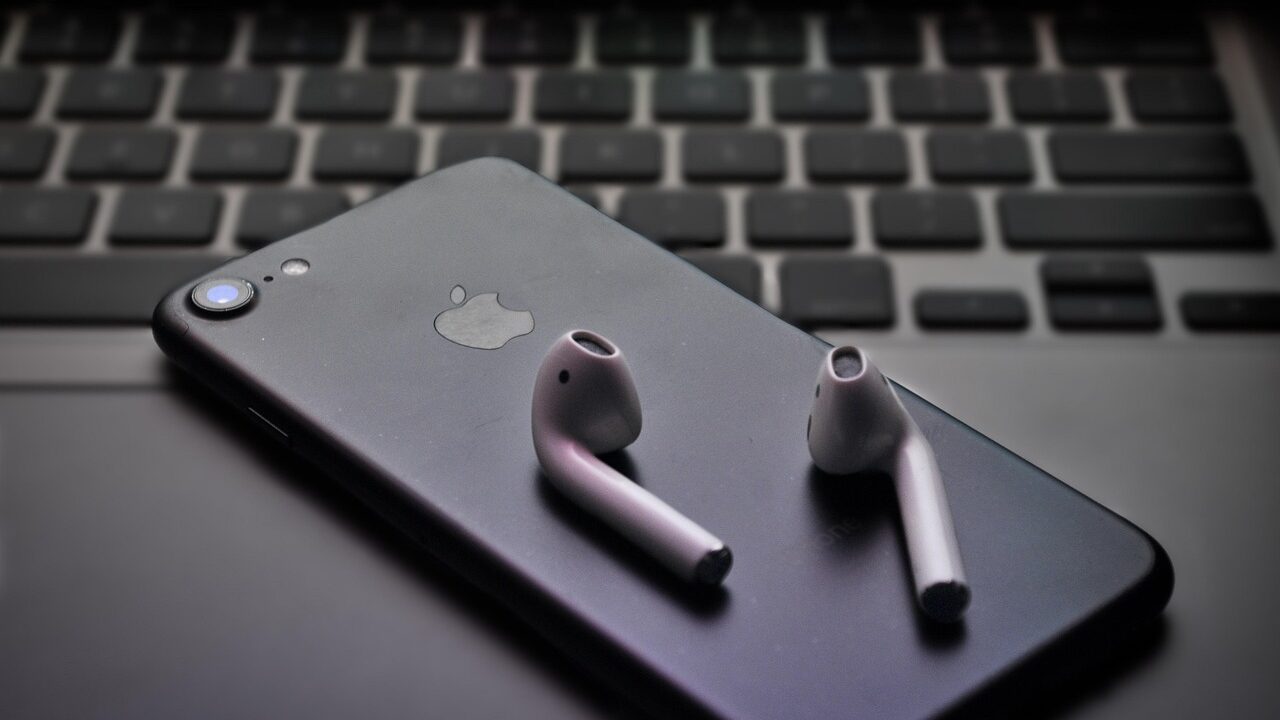
Siri AI coming newer” marks a significant shift in how Apple integrates artificial intelligence into its ecosystem, especially with the rollout of new hardware features. The company’s latest announcements highlight that Siri’s AI capabilities will be limited to the newest Apple devices, emphasizing a strategic focus on hardware-software synergy aimed at enhancing user experience across various functions.
This move has generated considerable discussion among tech aficionados, productivity professionals, and developers who rely heavily on seamless tool integrations, workflow automation, and remote work tools. In this comprehensive review, we analyze the list of devices eligible for Siri AI coming newer updates, examine how this impacts users’ workflows, compare it with other SaaS tools, and discuss the broader implications for team collaboration tools going forward.
As Apple continues to refine its AI ecosystem, understanding the scope of Siri AI coming newer devices is essential for every user considering a device upgrade or seeking to optimize their productivity stack with Apple’s native and third-party tools.
Below, we cover key takeaways, a detailed table of contents, and an in-depth analysis of the current landscape of AI integration within the Apple ecosystem, focusing on the role Siri AI will play in remote work tools, workflow automation, and team collaboration tools.
Key Takeaways
Table of Contents
Overview of Siri AI Coming to Newer Devices
Understanding the Announcement
The announcement that Siri AI is coming newer involves Apple’s latest hardware updates, which include new iPhone, iPad, and Mac models. Apple’s focus on newer devices aligns with its broader strategy to enhance user experience through device-specific AI capabilities that leverage advanced processors and machine learning models.
In practice, this means that Siri’s AI functionalities will be more robust, enabling faster response times, improved contextual understanding, and more sophisticated automation features. This update signifies a move towards more intelligent virtual assistants that can better support complex workflows, particularly in remote work environments and team collaboration contexts.
Apple’s approach contrasts with other big tech companies, many of which aim to deploy AI capabilities across a wide range of devices. Apple’s emphasis on newer hardware suggests a deliberate effort to maximize performance and integration, possibly at the expense of older device compatibility.
Technical Foundations of Siri AI Coming Newer
At the core of Siri AI coming newer is the utilization of more advanced processors available in the latest Apple hardware, such as the A17 Bionic chip and the M2 series for Macs. These chips enable on-device machine learning, reducing latency and increasing privacy by minimizing reliance on cloud processing.
Additionally, Apple has invested heavily in neural engine development, which now allows Siri to perform more complex natural language processing and voice recognition tasks locally. This shift to on-device AI aligns with Apple’s privacy commitments and enhances overall system security.
By deploying these capabilities exclusively on newer devices, Apple ensures that users experience the most refined AI features, which include better contextual awareness, predictive suggestions, and seamless integration with other native apps and third-party tools.
Potential Impact on User Experience
With Siri AI coming newer, users can expect more intelligent interactions that go beyond basic voice commands. AI improvements will facilitate multitasking, automation, and voice-controlled workflows, especially in professional settings where efficiency is critical.
For remote workers, this means Siri can assist more effectively with managing schedules, controlling smart home devices, or automating repetitive tasks without requiring third-party automation tools.
Enhanced Siri capabilities may also influence how developers design third-party apps and integrations, aiming to harness the improved AI for better performance within their services.
Eligible Devices for Siri AI Coming Newer
List of Supported iPhones and iPads
The primary beneficiaries of Siri AI coming newer are the latest iPhone and iPad models. These devices include the current flagship iPhone models released in recent years, such as the iPhone 15 series, and the newest iPads, notably those equipped with the M2 chip or later.
Older models, including many from the iPhone 12 and iPad Air lines, may not support the latest AI features due to hardware limitations, specifically the absence of the required neural processing units. Apple’s rollout strategy appears to prioritize high-end models initially, with potential gradual expansion to other devices through software updates.
This selective device support underlines Apple’s focus on maximizing AI performance on hardware designed for intensive processing, which enhances reliability and user satisfaction in productivity tasks.
Supported Mac Models and Software Compatibility
The Mac lineup supported by Siri AI coming newer includes the latest MacBook Pro, MacBook Air, and iMac models featuring the M2 series chips. These Macs are built to handle sophisticated AI workloads, offering significant improvements in workflow automation and natural language processing capabilities.
Compatibility with macOS Ventura or later ensures that users can leverage the full range of Siri AI enhancements, including deeper integration with team collaboration tools like iWork, third-party SaaS tools, and other cloud-based services.
Older Intel-based Macs are unlikely to receive these AI updates, emphasizing the importance of hardware upgrade cycles for users seeking the most advanced features.
Impact on Device Lifecycle and Upgrade Decisions
The restriction of Siri AI coming newer to recent hardware may influence user upgrade decisions, especially for professionals relying heavily on AI-powered workflows. Users with legacy devices may need to consider hardware upgrades to access the latest automation and AI enhancements.
This situation could accelerate adoption of the newest Apple devices, especially among enterprise users and power users who prioritize productivity tools. Apple’s approach suggests a future where device hardware becomes increasingly integral to AI capabilities and overall user experience.
For consumers, understanding the hardware requirements for Siri AI coming newer is crucial when planning upgrades or assessing device compatibility with upcoming software features.
Implications for Remote Work Tools and Team Collaboration
Siri AI Enhancing Remote Work Experience
The evolution of Siri AI to newer devices will likely have a notable impact on remote work tools. As AI becomes more capable within native Apple applications, remote workers can expect more intelligent assistance with scheduling, task management, and communication.
For example, Siri AI can now better understand contextual cues from calendars, emails, and messages, enabling more accurate and proactive recommendations. This can streamline workflows by automating routine tasks like setting reminders, composing emails, or initiating conference calls.
Enhanced Siri AI capabilities also open opportunities for automation within enterprise environments, reducing the need for third-party tools and creating a more integrated experience within Apple’s ecosystem.
Integration with Team Collaboration Tools
Apple’s advancements in Siri AI are set to improve how team collaboration tools function on newer devices. Native apps such as Messages, FaceTime, and Notes will benefit from improved voice recognition and contextual awareness, facilitating more natural and efficient interactions among team members.
Third-party collaboration apps, especially SaaS tools like Slack, Trello, and Asana, can also leverage Siri AI for voice commands and automation, provided developers integrate their APIs with Siri Shortcuts and other Apple frameworks.
This synergy promises a more seamless working environment, where voice commands directly influence project management and communication workflows. It reduces friction and enhances productivity, especially in managing remote teams across different locations.
Potential Challenges and Pitfalls
While the enhancements promise substantial gains, they also come with challenges. The hardware-dependent rollout means some users remain with outdated capabilities, potentially creating fragmentation within organizations.
Users reliant on older devices will need to weigh the benefits of upgrading against cost and deployment considerations. Compatibility issues may arise with existing workflows if older devices cannot support the new AI features.
Furthermore, increased reliance on AI for remote work assumes consistent internet connectivity and robust privacy safeguards, which may vary by user environment. Ensuring that these tools integrate smoothly within existing systems is essential to realize their full potential.
Comparison with Other Software and SaaS Tools
Native Apple AI Versus Third-Party SaaS Solutions
As Siri AI coming newer is rolled out, its capabilities will be increasingly compared to third-party SaaS tools designed for workflow automation, team collaboration, and remote work management. Many SaaS providers have built sophisticated AI features, such as natural language processing, predictive analytics, and automation workflows.
For example, tools like Zapier or IFTTT focus on automating tasks across multiple platforms, providing flexible integration options. Apple’s Siri aims to provide a more cohesive experience within its ecosystem, emphasizing native app synergy and privacy.
Choosing between native devices with Siri AI coming newer and third-party SaaS tools depends on organizational needs, existing infrastructure, and preferences for privacy and control. Native AI integration offers seamless operation within Apple devices, but SaaS solutions often provide broader customization and compatibility across platforms.
Workflow Automation and Productivity Apps
Workflow automation plays a critical role in remote work and team collaboration. Native Siri AI improvements can automate routine tasks, such as message drafting, scheduling, and device control, reducing manual effort.
Popular productivity apps like Notion, Todoist, and Microsoft 365 can integrate with Siri and Shortcuts, extending their functionality and supporting workflows automation. This integration facilitates faster task management, document editing, and communication, crucial for remote teams.
However, these integrations require active development and support, and the effectiveness of Siri AI coming newer depends heavily on the ecosystem’s maturity and developer adoption.
Trade-offs and Limitations
Enhanced Siri AI on newer devices offers significant benefits but also entails trade-offs. The hardware dependency restricts access for older device users, possibly creating a divide in productivity experiences.
Additionally, native AI solutions may lack the granular customization available in third-party SaaS tools, which often offer advanced automation scripting and cross-platform compatibility.
Balancing these factors involves evaluating organizational priorities, device upgrade cycles, and the need for tailored workflows versus integrated native solutions.
Strategic Impact and Future Outlook
Apple’s Ecosystem Strategy
Apple’s focus on deploying Siri AI coming newer primarily on recent hardware reflects a broader strategy to create compelling reasons for users to upgrade their devices. It underscores a shift toward hardware-specific software features designed to leverage the full power of Apple’s silicon chips.
This approach enhances user experience but risks fragmenting the user base, especially in enterprise scenarios where device uniformity is vital. Apple may need to balance innovation with backward compatibility to maintain broad adoption.
Moving forward, we expect Apple to continue refining Siri AI, integrating it more deeply with other native apps, and expanding its support for third-party developers and SaaS integrations.
Impacts on Remote Work and Productivity
As AI capabilities improve, remote work tools will become increasingly reliant on native virtual assistants like Siri for automation and intelligent support. This shift could lead to more efficient workflows, less manual intervention, and better task prioritization.
However, organizations must be prepared for the learning curve and integration challenges associated with deploying new AI features, especially in mixed-device environments.
Adoption of newer hardware will likely accelerate, but sustainable productivity gains will depend on careful planning and comprehensive training around these enhancements.
Long-Term Outlook and Recommendations
The rollout of Siri AI coming newer should be viewed as part of a broader trend toward intelligent, device-specific AI in consumer and enterprise technology. Users should monitor official updates from Apple for precise device compatibility and feature availability.
Organizations should evaluate their device renewal strategies, considering the benefits of newer hardware in support of AI-driven workflows and automation. It’s also advisable to explore third-party SaaS tools that complement native AI features to maximize productivity gains.
Finally, as AI becomes more embedded in personal and professional environments, data privacy and security considerations must remain central to deployment strategies.
Conclusion
Siri AI coming newer reflects Apple’s ongoing commitment to integrating AI features directly within its hardware ecosystem, promising more intelligent assistance, improved workflow automation, and enhanced team collaboration. This device-specific approach offers significant advantages in terms of performance and privacy but underscores the importance of hardware upgrades for access to the latest features.
Compared with third-party SaaS tools, native Apple AI remains tightly integrated and optimized for the ecosystem but may lack the customization levels some organizations require. Future developments in Siri AI will likely focus on deeper integration, expanded developer support, and broader device compatibility.
Remote work and productivity tools will benefit from these improvements, but success depends on strategic planning and balancing device upgrade costs against operational gains. As Apple continues refining its AI capabilities, users and organizations should stay informed of evolving features and optimize their workflows accordingly.
For those eager to explore and review innovative tools, Product Hunt remains a valuable resource for discovering new AI-powered productivity solutions and integrations to supplement native capabilities.
Understanding the Frameworks Behind Siri AI’s Enhanced Capabilities
As Apple integrates Siri AI into its newer devices, the underlying frameworks play a crucial role in delivering smarter, more intuitive interactions. Central to this advancement is Apple’s adoption of machine learning models optimized specifically for on-device processing. The core framework, Core ML, enables developers and engineers to embed sophisticated AI models directly within the hardware, ensuring low latency and improved privacy.
Additionally, the use of Create ML simplifies the development and deployment of custom models tailored to user behaviors and preferences. These models leverage transfer learning techniques, allowing Siri AI to continuously improve through on-device data without compromising user privacy. The combination of these frameworks ensures that siri ai coming newer devices provides not only enhanced features but also adheres to Apple’s strict data security standards.
Failure Modes and Optimization Tactics for Siri AI on Newer Devices
Deploying advanced AI on newer devices introduces potential failure modes that developers and engineers must address. One common challenge is model degradation due to unforeseen user inputs or environmental factors, such as background noise or ambiguous commands. To mitigate this, Apple employs rigorous testing phases employing synthetic and real-world datasets to stress-test Siri AI’s robustness across diverse scenarios.
Optimization tactics include quantization and pruning of neural network models to reduce computational load without sacrificing accuracy. Quantization converts model weights from floating-point to lower-precision formats, significantly improving inference speed on hardware-constrained devices. Pruning removes redundant neurons and connections, further streamlining the models for real-time operation. These tactics ensure that siri ai coming newer not only provides enhanced features but also maintains high reliability even under challenging conditions.
Furthermore, Apple leverages federated learning to allow Siri AI to learn from user interactions locally on devices, ensuring personalized experiences while maintaining privacy. This approach also helps identify failure patterns, enabling continuous model refinement and deployment of updates that enhance Siri’s understanding and responsiveness over time.
Implications for Developers and Future Innovations
The integration of siri ai coming newer into select Apple devices opens new avenues for developers to craft innovative applications that leverage these advanced AI capabilities. Developers can utilize the updated SiriKit and the new APIs to create more contextually aware and proactive assistants, transforming user interactions into seamless experiences.
Looking ahead, Apple’s focus on hardware-software synergy suggests ongoing innovations in AI acceleration hardware, such as dedicated neural engine enhancements, will further empower siri ai coming newer devices. This could lead to features like real-time language translation, more natural conversational interfaces, and advanced contextual understanding that adapts dynamically to user preferences.
Overall, the selective rollout underscores Apple’s strategic approach—enhancing device differentiation through cutting-edge AI features while maintaining tight control over software updates and security. As siri ai coming newer becomes more prevalent on future iPhone, iPad, and Mac models, the ecosystem will evolve into a more intelligent, personalized environment that redefines user expectations for personal assistants.





17 Comments